“For it is time for judgment to begin at the household of God” (1 Peter 4:17).
A generation is returning to our doors, but what they find may prompt heaven’s pruning shears.
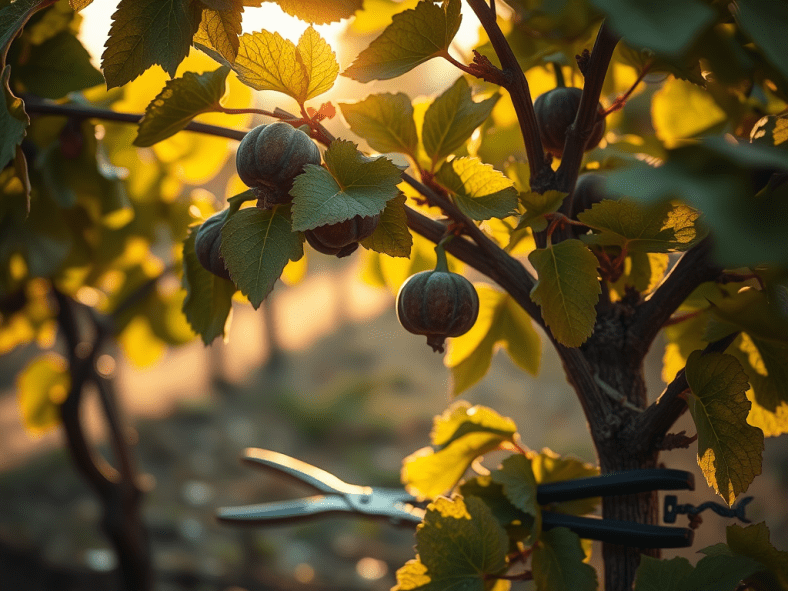
When God get’s out His pruning shears
Introduction: The Surge That Isn’t a Revival
Headline Trend: Church attendance in the U.S. has risen to 32% in 2025, reversing a 15-year decline.
Bible Engagement: Gen Z and Millennial men are driving a quiet resurgence in Bible interest.
But the Question Remains: Are we returning to God—or just returning to the building?
The Ancient Pattern
This isn’t new. Ezekiel watched as God’s glory departed the temple—but judgment began at the sanctuary (Ezekiel 9:6). The priests wept between the porch and altar. Josiah found the Book of the Law buried under religious debris (2 Kings 22). Hezekiah cleansed temples turned into idol storage (2 Chronicles 29).
History’s rhythm: Revival, compromise, judgment, repentance, restoration. We’re somewhere in that cycle, and the Master Gardener is examining His vineyard.
The Barren Fig Tree: When Orthodoxy Produces No Life
Jesus told this parable with divine patience and terrifying finality:
But mercy intervened—one more year. One more chance. One more vinedresser willing to get dirty.
What It Means to Dig Around the Roots
“Sir, let it alone this year also, until I dig around it and put on manure” (Luke 13:8).
The vinedresser doesn’t just water leaves or polish bark. He digs deep around the roots. This is invasive, uncomfortable work:
• Exposing what’s hidden—the root systems of tradition, pride, fear
• Disturbing the comfortable—challenging why we do what we do
• Examining the foundation—is it drawing from Living Water or stagnant wells?
I know churches that recite ancient catechisms weekly—beautiful, orthodox, dead. They have male elders, biblical structure, reformed theology. They can parse Greek verbs but can’t perceive God’s presence. They guard tradition like temple police while the glory has long departed.
When God sends a vinedresser to dig—someone with dirt under their nails and tears in their eyes—they often reject the mercy meant to save them. Why?
• The digging hurts—it exposes roots wrapped around rocks of tradition
• The manure stinks—fresh anointing offends religious sensibilities
• The change threatens—what if we’ve been wrong all these years?
The Final Season
Sometimes God says to His vinedressers: “Leave. Watch. Let them choose.”
This isn’t abandonment—it’s the final mercy. The tree must choose: submit to the shears or face the axe. Accept the fresh manure or remain barren. Let the vinedresser dig or die with dignity intact.
The Heartbreak of the Vinedresser
Those called to dig around foundations carry unique wounds. They see what could be. They offer what’s needed. They’re usually rejected by the very ones they’re sent to save.
But here’s the prophetic truth: The vinedresser’s testimony becomes evidence. Their rejected service becomes witness. Their tears become intercession. And their departure? Sometimes it starts the clock on that final year of grace.
Are we in that final year of grace?
When Kingdoms Eclipse the Kingdom
The Temple Chant
Jeremiah warned: “Do not trust in these deceptive words: ‘This is the temple of the Lord, the temple of the Lord, the temple of the Lord'” (Jeremiah 7:4). Today’s version? “We’re growing! We’re relevant! We’re reaching the culture!”
But institutional pride is not spiritual power. Packed pews don’t equal pure hearts. We’re building temples of applause while Jesus stands outside, knocking—not at our cathedral doors, but at the door of our hearts.
I watched it happen in the 1980s. Jimmy Swaggart’s ministry reached millions—crusades, television, music that moved hearts to tears. But somewhere, the ministry became a kingdom. The messenger eclipsed the Message.
God doesn’t share His glory. The pruning was public, painful, and necessary. Not to destroy, but to humble. Not to end, but to redirect. “Every branch that does bear fruit he prunes, that it may bear more fruit” (John 15:2).
The Fruit Inspector Cometh
When young seekers enter our churches, what fruit do they find?
Or plastic fruit? Programs, performances, productions?
Jesus warned: “You will recognize them by their fruits” (Matthew 7:16). Not attendance. Not budgets. Not branding. Fruit.
The Hope in the Pruning
God prunes what He loves. He disciplines His children (Hebrews 12:6). The shears in His hand aren’t weapons—they’re tools of restoration.
Where should seekers go?
Look for churches with pruning scars. Leaders humbled and healed. Congregations marked by costly obedience through suffering.
Find places digging around roots, adding manure of repentance, waiting for true fruit. These communities exist—usually smaller, always authentic, forever marked by encounters with the living God.
The Choice: Living Tree or Whitewashed Tomb
Now every church—every believer—stands at the ancient fork:
The Wide Path: Whitewashed Tombs
Jesus reserved His harshest words for this choice:
Markers:
Orthodox outside, dead inside
Protecting tradition over presence
Reciting truth without transformation
Offering hungry seekers stones painted like bread
Counting attendance while heaven counts fruit
The Narrow Path: Trees of Life
Another way—costly, uncomfortable, glorious:
Markers:
Roots deep in living water, not tradition
Bearing fruit that feeds the hungry
Submitting to the Vinedresser’s shears
Choosing disturbance over death
Becoming shelter for seekers, not museum for saints
The Question That Determines Everything
Will you be a tree that feeds the hungry or a tomb that impresses the religious?
Young seekers aren’t looking for catechisms. They want Christ. They smell death through whitewash. They hunger for life, even from scarred, pruned trees.
Choose now. The Vinedresser waits with His shears. The season of grace won’t last.
The Urgent Hour
Judgment begins at God’s house because we know better. We have the Word. The Spirit. The history. When we offer religious performance instead of living water, we’re failing—we’re under judgment.
But mercy knocks. The Gardener offers one more season. The question: Submit to shears, or wait for the axe?
This generation hungers for God. Let’s stop feeding them everything else. Submit to pruning, return to first love, bear fruit that remains.
The alternative? “Every tree that does not bear good fruit is cut down and thrown into the fire” (Matthew 7:19).
The choice is ours. The hour is late. The Gardener is waiting.
"Thou shalt love the Lord thy God with all thy heart,
and with all thy soul, and with all thy mind,
and with all thy strength." (Mark 12:30, KJV)
A Prophetic Op-Ed on Half-Hearted Worship
1. Opening Summary: The Worship Gap We Refuse to Name
We sing“I Surrender All” while clutching our idols. We declare“All to Jesus I freely give” while negotiating terms in secret. Worship has become so polished, so routine, that few pause to ask: “Do I mean this?”
We critique the theology of songs from Bethel, Hillsong, and Elevation, yet ignore the theology of our own hearts. We dissect lyrics for doctrinal purity but never examine the disconnect between our lips and our lives.
It’s the same pattern Scripture exposes again and again:
Israel sang and danced at Sinai, then built a golden calf.
They praised God for deliverance, then longed for Egypt’s leeks and melons.
They shouted “Hosanna!”, then cried “Crucify Him!” days later.
We sing “I Surrender All”, then live “I Surrender What’s Convenient.”
And still, the Spirit asks:
“Do you love Me?” “Do you really love Me?”
This op-ed isn’t about worship styles—it’s about worship substance. It’s not a critique of music—it’s a confrontation of motive. It’s time to stop pretending and start repenting.
2. All to Jesus I surrender…
We sing it with trembling lips and lifted hands. But heaven hears the truth beneath the melody: “I surrender some.”
“You shall love the Lord your God with all your heart and with all your soul and with all your mind and with all your strength.” (Mark 12:30) “If anyone would come after Me, let him deny himself and take up his cross daily and follow Me.” (Luke 9:23)
All. Daily. No turning back. These are not poetic suggestions—they are the terms of discipleship.
3. All to Him I freely give…
Freely? Or conditionally?
“When you make a vow to God, do not delay to fulfill it… It is better not to vow than to make a vow and not fulfill it.” (Ecclesiastes 5:4–5)
Singing this hymn without intent to obey is not just emotional exaggeration—it’s spiritual dishonesty. It’s laying a gift at the altar with strings still tied to it.
4. Worldly pleasures all forsaken…
We say we’ve forsaken the world, but our appetites betray us.
“Do not love the world or the things in the world.” (1 John 2:15) “We remember the fish we ate in Egypt… the cucumbers, the melons, the leeks, the onions, and the garlic.” (Numbers 11:5)
Israel was free, but their cravings were still enslaved. Lot’s wife looked back and was frozen in judgment (Genesis 19:26). The Laodiceans were lukewarm, and Jesus said He would spit them out (Revelation 3:16).
“No one who puts his hand to the plow and looks back is fit for the kingdom of God.” (Luke 9:62)
5. A Personal Warning
I recall a homeowner once asking me to dedicate their house to the Lord. Before I could speak the prayer, the Spirit prompted me to caution them: “Once something is dedicated to the Lord, it is no longer yours to do with as you please.”
I declined the dedication. I blessed the home and its occupants, but I would not consecrate what they were not prepared to surrender. That wasn’t fear—it was reverence.
It was the same Spirit who exposed Achan’s buried treasure (Joshua 7), Ananias and Sapphira’s partial offering (Acts 5), and Peter’s vow that crumbled under pressure (Matthew 26).
6. Make me, Savior, wholly Thine…
Wholly? Or just on Sundays?
“Present your bodies as a living sacrifice, holy and acceptable to God, which is your spiritual worship.” (Romans 12:1) “You are not your own, for you were bought with a price.” (1 Corinthians 6:19–20)
An hour on Sunday is not surrender—it’s an Ananias-offering, a portion dressed up as the whole.
7. The Prophetic Punch
We dissect the lyrics of others while ignoring the lies in our own lungs. We sing “I surrender all” while clutching our idols. We dedicate homes, ministries, and relationships with ceremony but not consecration.
But the Spirit isn’t fooled by our chorus—He’s waiting for our cross.
“Simon, son of John, do you love Me?” (John 21:15) “Do you really love Me?”
8. The Call to Return
This is not a call to sing louder. It’s a call to live surrendered.
Lay down the divided allegiances.
Stop negotiating with God.
Love Him with all your heart, soul, mind, and strength.
Take up your cross daily.
Stop pretending. Start repenting.
9. Closing Refrain
Lot’s wife looked back. Israel longed back. Peter fell back. Laodicea leaned back. But Christ calls us to press forward—cross in hand, eyes fixed on Him. Do you love Me? Do you really love Me?”




You must be logged in to post a comment.