
Long before our highways and reservoirs, there was the Indus Valley Civilization — one of the world’s earliest advanced societies. They thrived between 5,000 and 3,500 years ago in what is now Pakistan and northwest India. Their cities were marvels of planning: paved streets, sewage systems, irrigation channels, and cisterns that stored precious water. For centuries they flourished, but when the rains ceased and the inflow slowed, their reservoirs and rivers could no longer sustain them. Over time, the people dispersed, their great cities abandoned, undone not by war but by drought.
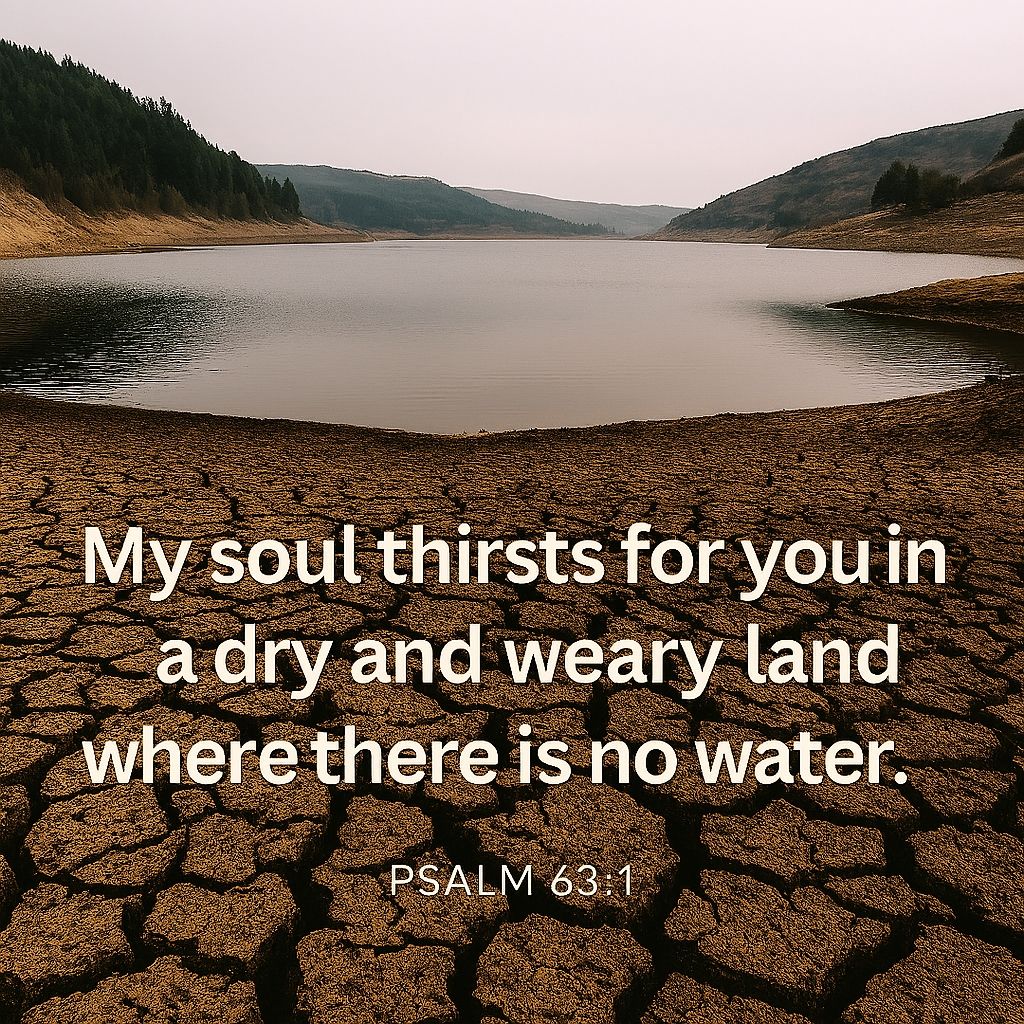
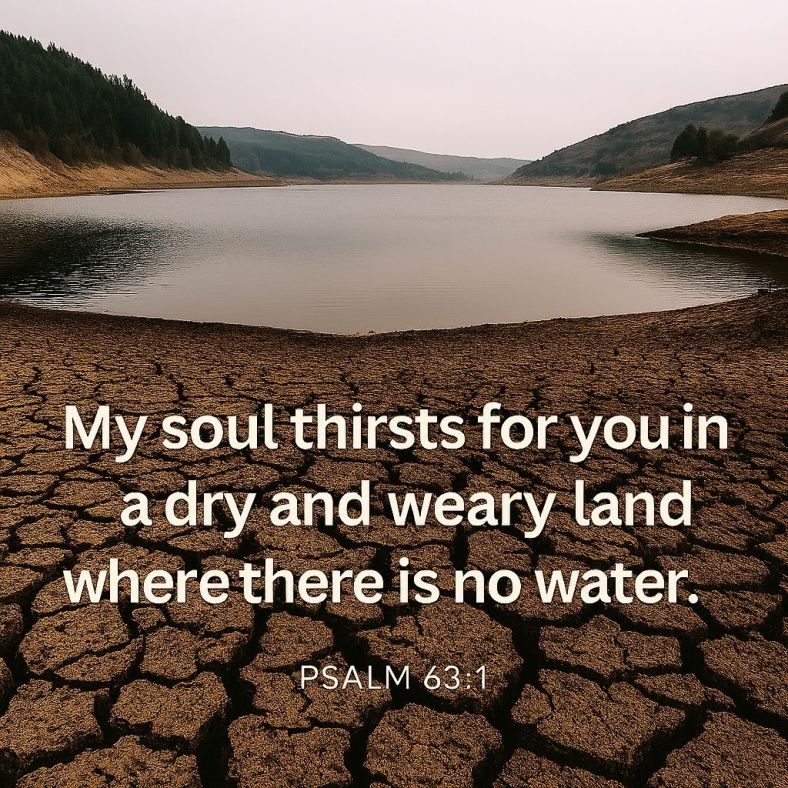
That history came to mind as I drove past the Oneida Valley Reservoir this week. Through the windshield I saw the shallow waterline, the exposed banks, the tired look of a system running on yesterday’s supply. And I thought of the church in our time.
The people gather as the season of Hope, Joy, Love, and Light approaches. They light candles, sing carols, and preach sermons. Yet many hearts are heavy, struggling to believe tomorrow will be brighter. Joy is thin, divisions are common, and Love is misplaced — poured into the institution or the season rather than the Lord Himself. The Light flickers, but shadows linger.
The watchman cries out with the words of Jeremiah:“My people have committed two evils: they have forsaken me, the fountain of living waters, and hewed out cisterns for themselves, broken cisterns that can hold no water” (Jeremiah 2:13).Do you not see? Our reservoir cannot survive on yesterday’s water. Hope cannot be sustained by slogans, Joy cannot be manufactured by programs, Love cannot be replaced by sentiment, and Light cannot shine without Christ Himself. We need fresh inflow — daily bread, living water, the Spirit poured anew — or our reservoir will run dry.
Even now, homes affected by low water levels are advised to reduce usage. Conservation helps, but it cannot restore the reservoir. The only way the water rises again is for the heavens to open and pour down refreshing rain. We can preserve all we want, but without a fresh inflow, the supply will eventually dry up.
Barna’s research confirms the warning. The number of religious “nones” — those with no faith affiliation — has climbed steadily, now representing nearly a quarter of U.S. adults. It is the sign of an organization failing its primary mission: to bring living water to a thirsty world. And when our own supply is uncertain, when we are in survival mode, our ability to offer even a drink of cold water to “the least of these” (Matthew 10:42) is greatly affected. A reservoir that has been dammed up for years cannot refresh others; its shallow waters leave both the church and the world parched.
Yet the promise remains: “If anyone thirsts, let him come to me and drink. Whoever believes in me… out of his heart will flow rivers of living water” (John 7:37–38). Christ is the Living Water. His Spirit is the inflow that renews Hope, restores Joy, rekindles Love, and shines Light into the darkness. And the truth is simple enough to remember as you drive past shallow waters or flickering lights:
Know Jesus, know peace. No Jesus, no peace.

You must be logged in to post a comment.