
A CALL TO THE WANDERER


The Parable of the Lost Sheep

15 Now the tax collectors and sinners were all drawing near to hear him. And the Pharisees and the scribes grumbled, saying, “This man receives sinners and eats with them.”

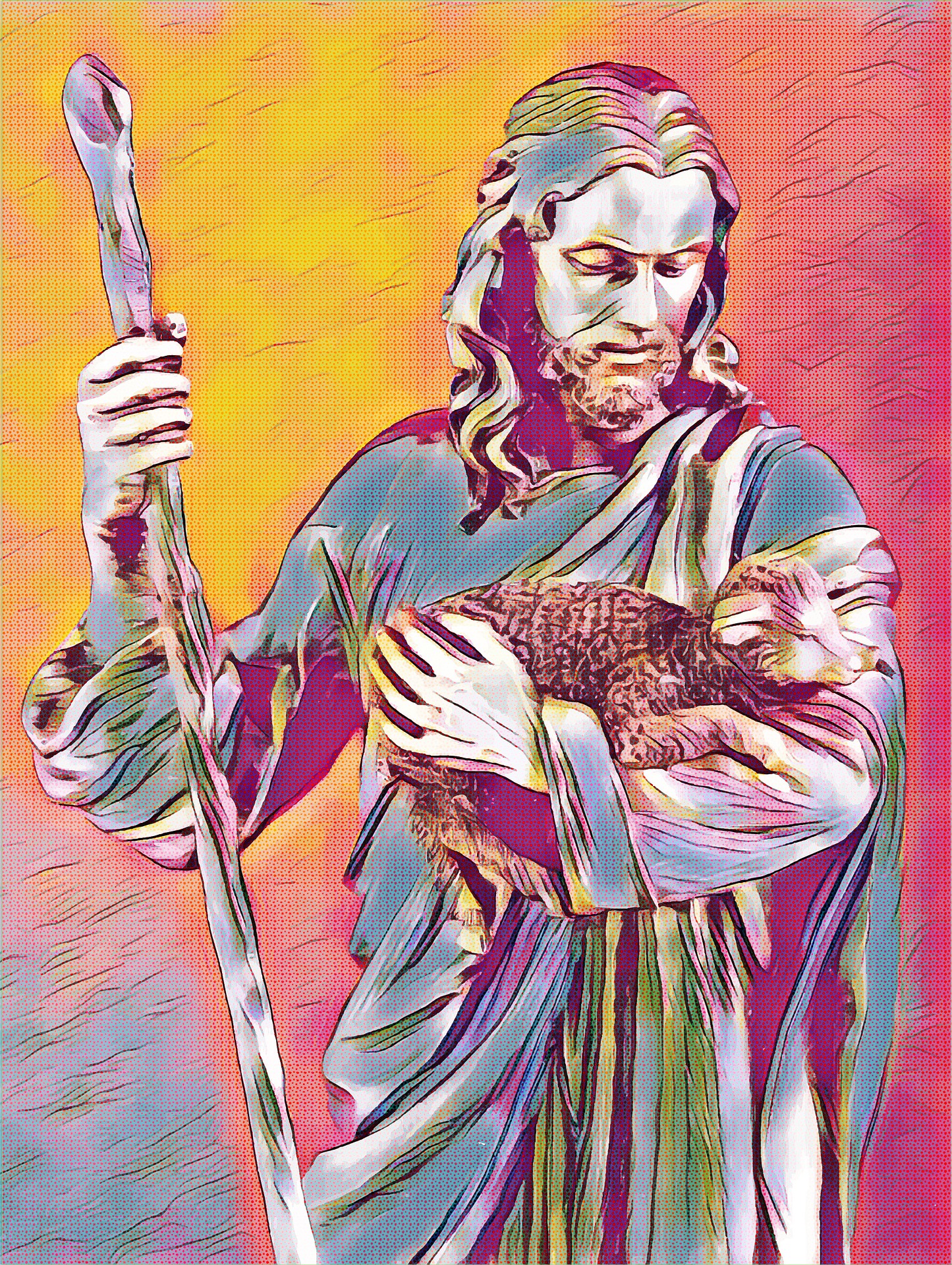
So he told them this parable: “What man of you, having a hundred sheep, if he has lost one of them, does not leave the ninety-nine in the open country, and go after the one that is lost, until he finds it? And when he has found it, he lays it on his shoulders, rejoicing. And when he comes home, he calls together his friends and his neighbors, saying to them, ‘Rejoice with me, for I have found my sheep that was lost.’ Just so, I tell you, there will be more joy in heaven over one sinner who repents than over ninety-nine righteous persons who need no repentance.

The Parable of the Lost Coin

“Or what woman, having ten silver coins,[a] if she loses one coin, does not light a lamp and sweep the house and seek diligently until she finds it? And when she has found it, she calls together her friends and neighbors, saying, ‘Rejoice with me, for I have found the coin that I had lost.’ 10 Just so, I tell you, there is joy before the angels of God over one sinner who repents.”

The Parable of the Prodigal Son

11 And he said, “There was a man who had two sons. 12 And the younger of them said to his father, ‘Father, give me the share of property that is coming to me.’ And he divided his property between them. 13 Not many days later, the younger son gathered all he had and took a journey into a far country, and there he squandered his property in reckless living. 14 And when he had spent everything, a severe famine arose in that country, and he began to be in need. 15 So he went and hired himself out to[b] one of the citizens of that country, who sent him into his fields to feed pigs. 16 And he was longing to be fed with the pods that the pigs ate, and no one gave him anything.

17 “But when he came to himself, he said, ‘How many of my father’s hired servants have more than enough bread, but I perish here with hunger! 18 I will arise and go to my father, and I will say to him, “Father, I have sinned against heaven and before you. 19 I am no longer worthy to be called your son. Treat me as one of your hired servants.”’ 20 And he arose and came to his father. But while he was still a long way off, his father saw him and felt compassion, and ran and embraced him and kissed him. 21 And the son said to him, ‘Father, I have sinned against heaven and before you. I am no longer worthy to be called your son.’[c] 22 But the father said to his servants,[d] ‘Bring quickly the best robe, and put it on him, and put a ring on his hand, and shoes on his feet. 23 And bring the fattened calf and kill it, and let us eat and celebrate. 24 For this my son was dead, and is alive again; he was lost, and is found.’ And they began to celebrate.

A CALL TO RETURN

When the sheep strays, the shepherd does not rest until its voice fills the fold. When the coin hides beneath the dust, the woman’s lamp burns until its shine is restored. When the son wanders in rebellion and ruin, the Father’s gaze remains fixed on the horizon, eager for his return.

In Jesus’ parables, we glimpse heaven’s relentless pursuit of what seems irretrievably lost. Whether we are the wandering sheep, the misplaced coin, or the prodigal child, the message is the same: God’s love meets us not at the gates of perfection but amidst the ruins of our despair.

In His kingdom, the finding of the lost is a cause for celebration, for restoration is not begrudging—it is joyous. And just as the parables teach, we are invited to take part in the divine celebration, sharing His grace with others who feel they, too, have wandered too far. Come running to His open arms He will not turn you aside if you seek Him with a true heart longing for a return home.

This has been a view from the nest
Allen Frederick aka Eaglewings

I Surrender All: A Devotional for Easter


The words of the hymn I Surrender All resonate deeply with the journey of faith. Written in 1896 by Judson W. Van DeVenter, this hymn emerged from a pivotal moment in his life. Van DeVenter, an accomplished artist, found himself torn between pursuing a career in the arts or stepping into full-time ministry. After wrestling with God’s call, he finally surrendered, choosing to dedicate his life entirely to serving Christ. This heartfelt act of yielding birthed one of the most beloved hymns in Christian worship—a timeless reminder of what it means to fully trust and submit to God.

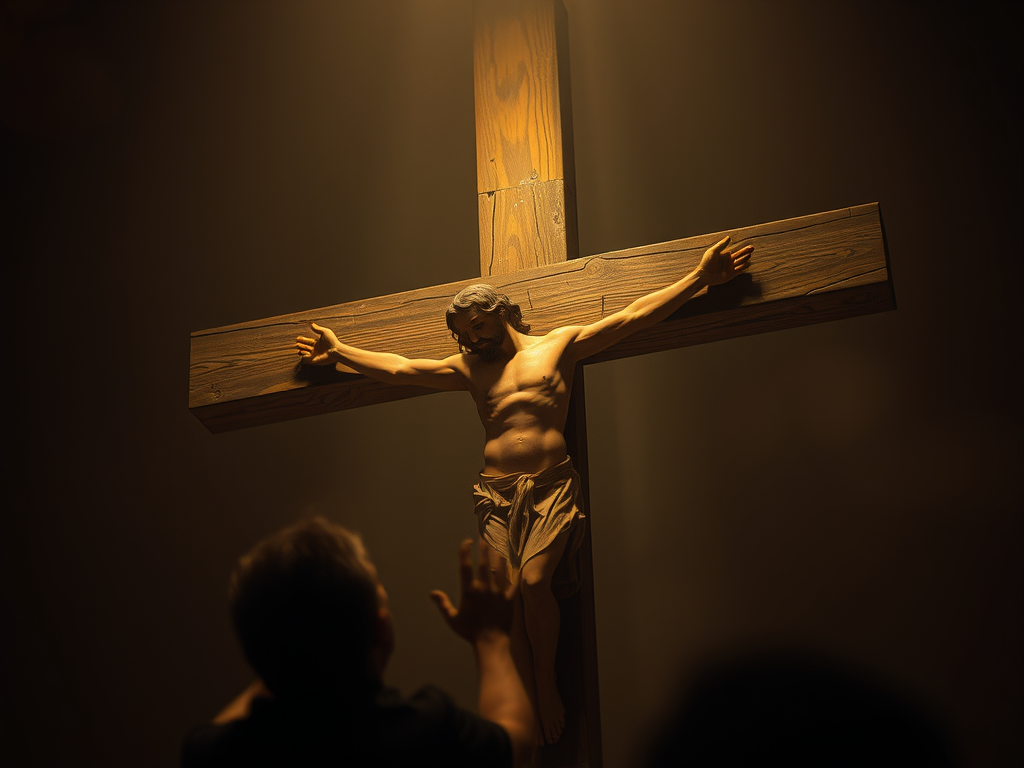
As we approach the heart of the Easter season, I Surrender All takes on an even deeper meaning. It reminds us of the ultimate act of surrender—Jesus Christ offering Himself on the cross for the redemption of humanity. The Son of God gave everything, holding nothing back, for the sake of love. His sacrifice invites us to examine our own lives and to ask: what might God be calling us to surrender in this season?

Surrender is not an easy concept. It challenges our desire for control, tests our faith, and often stretches us in uncomfortable ways. For some, surrender might mean letting go of fear or anxiety, trusting God to provide and guide. For others, it could involve reconciling broken relationships, relinquishing bitterness or pride, and choosing humility and love. Perhaps God is asking you to trust Him with your future, your career, or a dream you’ve been holding tightly to.

Easter is a time of reflection, renewal, and hope. Just as the empty tomb represents victory and new life, surrendering our hearts to God leads to transformation and peace. When we let go of our own plans and fully trust in Him, we find that His ways are higher, and His plans are greater than anything we could imagine.

Closing Prayer

Lord, as we reflect on the profound sacrifice of Jesus on the cross, may we open our hearts to fully surrender to You. Teach us to trust You with our fears, dreams, and burdens, knowing that in You, we find true peace and joy. Transform our hearts this Easter season and help us walk in the light of Your love. In Jesus’ name, Amen.

The Overflowing Cup: A Devotional


The Woman at the well


“Fill my cup, Lord; I lift it up, Lord…” These simple yet profound words from the hymn express a heart yearning to be filled by the Lord’s presence. It reminds us of the story of the Samaritan woman at the well in John 4:7-14, where Jesus offers living water that quenches spiritual thirst eternally.

Life often leaves us parched, seeking satisfaction in things that fade—success, possessions, or approval. Yet, Christ’s invitation is clear: “Whoever drinks the water I give them will never thirst” (John 4:14). Only He can fill the emptiness within us and give us a life of abundance that overflows.

To lift our cup is to humbly admit our need and surrender to His grace. It’s an act of trust, inviting God to meet us in our brokenness and renew our spirits. When He fills us, our lives become vessels of His love and blessings, spilling over into the lives of others.

As you meditate on this hymn, take a moment to lift your own “cup” to God. Pray for His living water to refresh and sustain you. Trust that He is faithful to meet you right where you are and to fill you—not just for today, but for eternity.


May this devotional remind you of the richness of God’s grace and the sufficiency of His provision in every season. What part of the hymn speaks most deeply to your heart?

FILL MY CUP LORD

George Beverly Shea

Like the woman at the well I was seeking
For things that could not satisfy;
And then I heard my Savior speaking:
“Draw from my well that never shall run dry”.

Fill my cup Lord, I lift it up, Lord!
Come and quench this thirsting of my soul;
Bread of heaven, Feed me till I want no more
Fill my cup, fill it up and make me whole!

There are millions in this world who are craving
The pleasures earthly things afford;
But none can match the wondrous treasure
That I find in Jesus Christ my Lord.

Fill my cup Lord, I lift it up, Lord!
Come and quench this thirsting of my soul;
Bread of heaven, Feed me till I want no more
Fill my cup, fill it up and make me whole!

REFLECTIONS ON THE PASSION OF CHRIST


Reflecting on the Passion Week: A Journey of Love and Sacrifice

The Passion Week, also known as Holy Week, is a cornerstone of Christian faith. It commemorates the final week of Jesus Christ’s earthly ministry—a period filled with profound teachings, acts of love, and a sacrifice that changed the course of history. Each day of this sacred week offers a poignant glimpse into Jesus’ unwavering mission and the depth of His love for humanity.

Palm Sunday: The Triumphal Entry

The week begins with Palm Sunday, a day of celebration as Jesus entered Jerusalem on a donkey, fulfilling Old Testament prophecies. Crowds welcomed Him with shouts of “Hosanna!” and palm branches, recognizing Him as the promised Messiah. Yet, beneath this joyous occasion lay the shadow of what was to come. It was a moment of triumph mixed with the foreshadowing of sacrifice.

Holy Monday and Tuesday: Cleansing the Temple and Teaching

On Monday, Jesus cleansed the temple, driving out merchants who had turned a house of prayer into a marketplace. This act highlighted His zeal for holiness and reverence. On Tuesday, He engaged in profound teachings and parables, addressing topics like faith, hypocrisy, and the coming kingdom of God. These days were marked by Jesus’ wisdom and authority, which amazed both His followers and His critics.

Spy Wednesday: The Betrayal Begins

Wednesday is often referred to as “Spy Wednesday,” as it marks Judas Iscariot’s decision to betray Jesus. For thirty pieces of silver, Judas conspired with religious leaders to hand Jesus over. This act of betrayal reminds us of human frailty and the cost of sin, yet it also sets the stage for God’s redemptive plan.

Maundy Thursday: A Final Act of Love

On Maundy Thursday, Jesus gathered with His disciples for the Last Supper, instituting the sacrament of Communion. He washed their feet, demonstrating humility and servanthood. It was a night of love and fellowship, yet it ended with Jesus praying in the Garden of Gethsemane, fully aware of the suffering He was about to endure. His agony in the garden revealed His humanity and submission to God’s will.

Good Friday: The Ultimate Sacrifice

Good Friday is the somber culmination of Passion Week. Jesus was arrested, falsely accused, and subjected to unimaginable suffering. He was crucified on a Roman cross, bearing the weight of humanity’s sins. As He breathed His last and declared, “It is finished,” the veil in the temple tore, symbolizing the new access to God made possible through His sacrifice. Good Friday is both heart-wrenching and awe-inspiring—a day of immense sorrow and divine grace.

Holy Saturday: Waiting in Silence

Holy Saturday is a day of quiet reflection. Jesus lay in the tomb, and His followers mourned, grappling with grief and uncertainty. It is a day that reminds us of the tension between despair and hope, as God’s redemptive plan was still unfolding.

Easter Sunday: Victory Over Death

The week culminates in the glorious celebration of Easter Sunday, when Jesus rose from the dead, conquering sin and death. His resurrection is the cornerstone of Christian faith, offering hope, redemption, and the promise of eternal life to all who believe.

Final Thoughts

Passion Week is more than a historical account; it is a spiritual journey that invites reflection, gratitude, and renewed faith. It reminds us of the depth of God’s love and the lengths He went to reconcile humanity to Himself. As we meditate on these events, may we find inspiration to live lives marked by love, humility, and a steadfast hope in the risen Christ.

Fruit Inspectors, Log Detectors, or Foolish Advisors? You be the Judge!


Isaiah 59:14-15  “And judgment is turned away backward, and justice standeth afar off: for truth has fallen in the streets and equity cannot enter.  Yea, truth faileth; and he that departeth from evil maketh himself a prey:  and the Lord saw it, and it displeased Him that there was no judgment.”


I am afraid that we have lost our way in America. For too long we have been fed this anti-biblical principle that no one is allowed to judge anyone for anything, and we are all just supposed to love one another no matter how the other person behaves or what the other person believes even if those beliefs are contrary to our own. We are being told over and over that tolerance is the way forward, and we all need to be accepting of others.

The only problem with this is those who are calling for others to not judge set themselves up as the arbiters and judges of all that is judgmental. In other words they judge others while exempting themselves from the same judgment they are meting out.

In fact, in today’s modern culture, “judge not” carries more weight than another of Christ’s one-liners, ”Go and sin no more.” This is a situation where a little Bible knowledge can be a dangerous thing.

JUDGE NOT and THOU SHALL NOT are not stand alone statements.

It is important to take scripture in context to get the full meaning of what Jesus or any of the other biblical writers are trying to say. Taken in context then we have our judge not comment below.

Mathew 7:1-5 “Judge not, that ye be not judged. For with what judgment ye judge, ye shall be judged: and with what measure ye mete, it shall be measured to you again. And why beholdest thou the mote that is in thy brother’s eye, but considerest not the beam that is in thine own eye? Or how wilt thou say to thy brother, Let me pull out the mote out of thine eye; and, behold, a beam is in thine own eye? Thou hypocrite, first cast out the beam out of thine own eye; and then shalt thou see clearly to cast out the mote out of thy brother’s eye.

You see, Jesus commanded us to not judge hypocritically, He never commanded us not to judge. He asked us to remove the logs so we could “see clearly” to help our brother. How are we to remove a log if we feel that we do not have a log? And how is it that we learn about having a log in the first place? If everyone around us keeps telling us the way we  see things is right and good, then we will continue down a path that we think is right only to find that path led us right to our own demise. What was the problem? How did we get here? Why did God allow me to go down this road? My friend it was because you had believed the lie that you should not be judged in anything you said or did or thought. You were blinded by a huge log that you refused to allow anyone to point out to you.

So then how do we learn about our logs or specks for that matter? We learn from others who have already removed the logs from their eyes, or better had the logs removed for them by the Lord through spiritual encounters.

I Corinthians 2:15 “But he that is spiritual judgeth all things, yet he himself is judged of no man.”

We are instructed to judge all things….things…not people.  Actions, thoughts and words are things. Choices are things, what people do are things. You should judge decisions and actions of others to decide if those actions are good or bad. Yes my friends some things are bad for you. Heck if we follow the teaching of these blinded fools and not judge anything then we will not be long for this life since we will be eating poisoned fruit. Who is it among us who will stand and say that they do not judge what they eat? No one would intentionally ingest poison, and yet many, for lack of judgment, are ingesting a deadly poison, that of a failed worldview. Their visions are clouded by huge logs. Just like a good chef knows how to pick good fruits and vegetables to cook with, and seeks out only the freshest and finest ingredients, shouldn’t we do the same when it comes to things that pertain to this life?

Yes we are and yes we should!

I Corinthians 6:2-4 “Do ye not know that the saints shall judge the world? and if the world shall be judged by you, are ye unworthy to judge the smallest matters? Know ye not that we shall judge angels? how much more things that pertain to this life? If then ye have judgments of things pertaining to this life, set them to judge who are least esteemed in the church.”

….How much more the things that pertain to this life.

Only  a fool would willing eat poison, or follow a path that led off a cliff, and using sound judgment is the key to avoiding such deadly consequences. The problem with sin though is its subtlety. It is not  labeled poisonous and  there are no DANGER signs posted on the pathway of destruction. In fact sin is very enticing, it has an intoxicating appeal. It is addictive. Like the siren’s of Homer’s Odyssey sin’s haunting allure leads all to their destruction.

We all have specks in our eyes and our visions are cloudy, some even have forest growing in their eyes, therefore all of us need some guidance and direction when it comes to matters that pertain to life. It is where we go to get that instruction which could be a matter of life and death. Paul admonished the Corinthian church to set them to judge who are least esteemed in the church. In other words listen to those who you might not otherwise esteem as notable. Many times God speaks through those we least expect and in ways that challenge our intellects.

How then can one know what is good and what is bad? Discernment is the short answer, but learning from others is probably the better answer. Allow others to look for logs and specks. Allow your fruit to be inspected by a certified fruit inspector.

Matthew 7:15-18 “Ye shall know them by their fruits. Do men gather grapes of thorns, or figs of thistles? Even so every good tree bringeth forth good fruit; but a corrupt tree bringeth forth evil fruit. A good tree cannot bring forth evil fruit, neither can a corrupt tree bring forth good fruit.”

Jesus clearly delineates between good and bad, and exhorts us to do the same. That requires judgment.

Do not think too highly of yourself that you feel you are above reproach in all areas of life. Pride will surely lead you down the road of self-destruction because you will not heed the warnings of others, or listen to the rebukes of those who have gone down the same path before you. You will simply cry out in a loud voice…WHO ARE YOU TO JUDGE while you are speeding along the pathway of destruction.