
Allen Frederick
Filed by: The Watchman
Last Saturday, cities across the nation echoed with the resolute voices of thousands gathered at the “No Kings” rallies. These protests, fueled by a deep dissatisfaction with the current government, marked a pivotal moment of public outcry and spiritual unrest. As the crowds marched and chanted, the air was thick with tension and anticipation, setting the stage for a drama that transcends politics and touches the very heart of our cultural and spiritual identity. Tonight, we begin our report by looking back at these rallies and the powerful message they sent across the land. This whole scene is reminiscent of a similar scene that took place more than 2000 years ago. The similarities are striking! Let’s take a trip down memory lane.
REPORTING LIVE FROM THE NO KINGS RALLY
Good evening, listeners. This is your anchor coming to you live with a special report unfolding at the crossroads of faith and culture. Tonight, we witness a drama as old as time itself—the Passion, replayed not on a distant stage, but in the very streets and courts of our world today. The crowd is restless, voices rise in fervor, and the stakes could not be higher. Stay tuned as we bring you the unfolding story, the key players, and the truth that refuses to be silenced.
Opening Broadcast
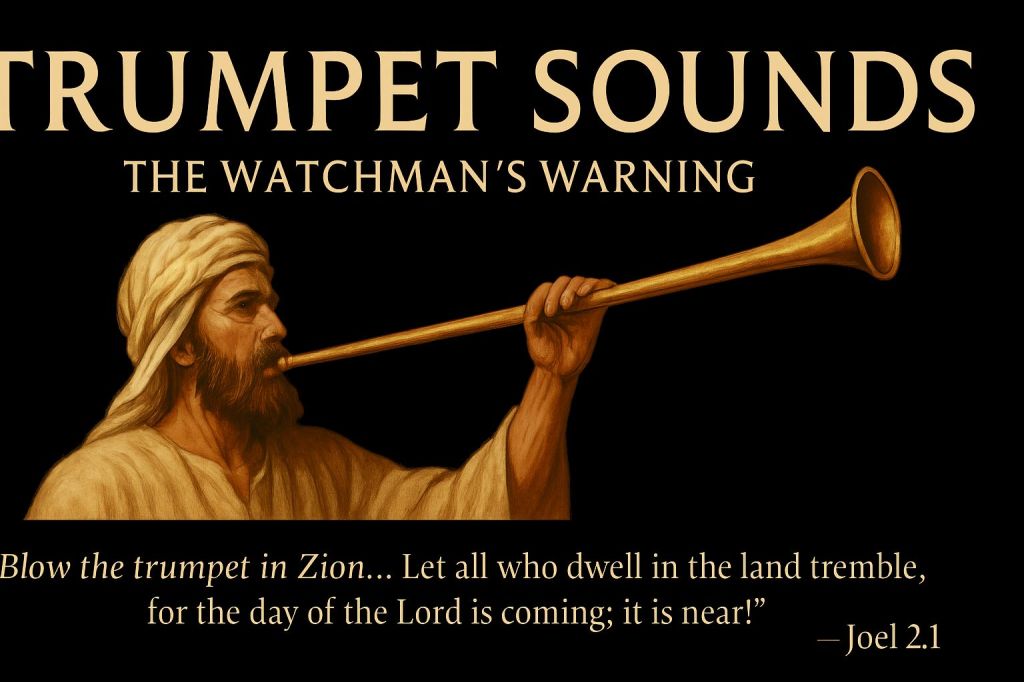
This is the Watchman, reporting live from the arena of ideological warfare.
The crowd is surging. The chants are coordinated. The signs are sharp.
But beneath the slogans and spectacle, the ancient drama unfolds again.
The Passion is replaying—not in Jerusalem, but in every city square.
The players are familiar. The tactics unchanged.
The target? Still Truth.
The verdict? Still pending.
First Quarter: The Stirring of the Crowd
The governing authorities have taken the field—not to calm, but to agitate.
They’ve deployed their playbook:
- Stir unrest
- Isolate the righteous
- Judge-shop for friendly venues
The crowd responds on cue.
Chants erupt like drumlines:
“No kings!”
“Give us Barabbas!”
“Crucify conviction!”
The volume is deafening.
But the loudest voice doesn’t get the last word.
Second Quarter: The Royal Court of Righteousness Takes the Stand
Each ideological mascot steps forward, cloaked in moral certainty:
- The Advocate of Accommodation demands tolerance—on his terms.
He’s not here to listen. He’s here to legislate your repentance. - The Priest of Preference rejects divine order.
He quotes Caesar, not Scripture.
His altar is built on feelings, not truth. - The Protest Scribe unfurls his scroll.
It’s long. It’s loud. It’s lawless.
He wants justice—but only for his tribe. - The Judge of Identity declares, “I am who I say I am.”
But Truth replies, “I Am who I Am—and you are not Me.” - The Herald of Hurt limps forward.
Her wounds are real—but her weapon is resentment.
She demands healing without surrender.
Halftime: The Judges Wash Their Hands
Just like Pilate, today’s judges are shopping for friendly courts.
They want rulings that affirm the crowd, not the Constitution.
They misapply the law to preserve their own peace.
They fear the mob more than they fear God.
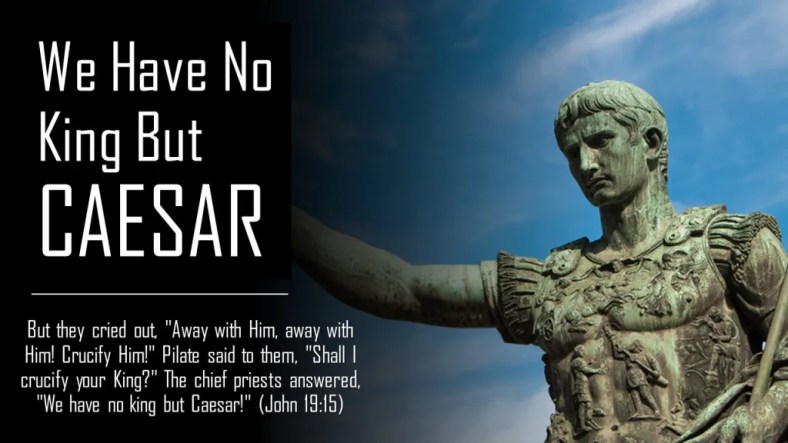
“Shall I crucify your King?”
“We have no king but Caesar.”
Third Quarter: The Spectacle Builds
The crowd grows louder.
The costumes more theatrical.
The media amplifies the illusion of strength.
But the Watchman sees:
- The spectacle is smoke.
- The unity is Babel.
- The power is borrowed.
They chant for chaos over peace.
They crown comfort over conviction.
They crucify Truth—and call it progress.
Fourth Quarter: The Rising
They think they’ve won.
They think the tomb is sealed.
They think the Lamb is silenced.
But Truth is not dead.
Truth is not buried.
Truth is rising.
“He was oppressed and afflicted, yet He did not open His mouth.” — Isaiah 53:7
“You will know the truth, and the truth will set you free.” — John 8:32
“Woe to those who call evil good and good evil.” — Isaiah 5:20
Final Call from the Booth
This is the Watchman, signing off.
Crowds chant.
Judges fold.
Scribes scribble.
But the Lamb still reigns!
And the final whistle belongs to Him.
“You have judged the Son of Man by your standards.
But He will judge you by His.”



You must be logged in to post a comment.