HYMNS OF REDEMPTION


A Passover – Season Devotional Series

Tell Me the Story of Jesus

Some hymns teach doctrine. Some stir emotion. But Tell Me the Story of Jesus does something deeper. It invites the believer to return to the center of the faith with childlike wonder. Written by Fanny Crosby, this hymn is a gentle, earnest request: Tell me again. Tell me slowly. Tell me like it’s the first time.

Crosby understood something profound: the gospel is not a story we outgrow. It is the story that shapes every other story. Her words carry the simplicity of a child and the depth of a saint. She doesn’t ask for theological complexity or poetic flourish. She asks for Jesus — His birth, His life, His suffering, His love. The hymn is a reminder that the heart never tires of hearing the truth that saves it.

The anchor comes from Luke 2:10:

“I bring you good news of great joy that will be for all the people.”

Crosby takes that angelic announcement and turns it into a lifelong prayer: Tell me the good news again. Let it steady me. Let it shape me. Let it fill me with joy.

As you listen to the meditation, you will hear the Irish flute, the accordion, and the acoustic guitar. You will also hear the shaker and the piano. Let it carry you like a traveling song. Let it feel like walking the dusty roads of Galilee. It feels like hearing the story of Jesus told around a fire. The story is passed from heart to heart.

This hymn is not about performance. It’s about remembrance.

Hymn and Lyrics: Tell Me the Story of Jesus

(Public Domain)

1
Tell me the story of Jesus,
Write on my heart every word;
Tell me the story most precious,
Sweetest that ever was heard.
Tell how the angels in chorus
Sang as they welcomed His birth,
“Glory to God in the highest!
Peace and good tidings to earth.”

Refrain
Tell me the story of Jesus,
Write on my heart every word;
Tell me the story most precious,
Sweetest that ever was heard.

2
Fasting alone in the desert,
Tell of the days that are past;
How for our sins He was tempted,
Yet was triumphant at last.
Tell of the years of His labor,
Tell of the sorrow He bore;
He was despised and afflicted,
Homeless, rejected, and poor.

3
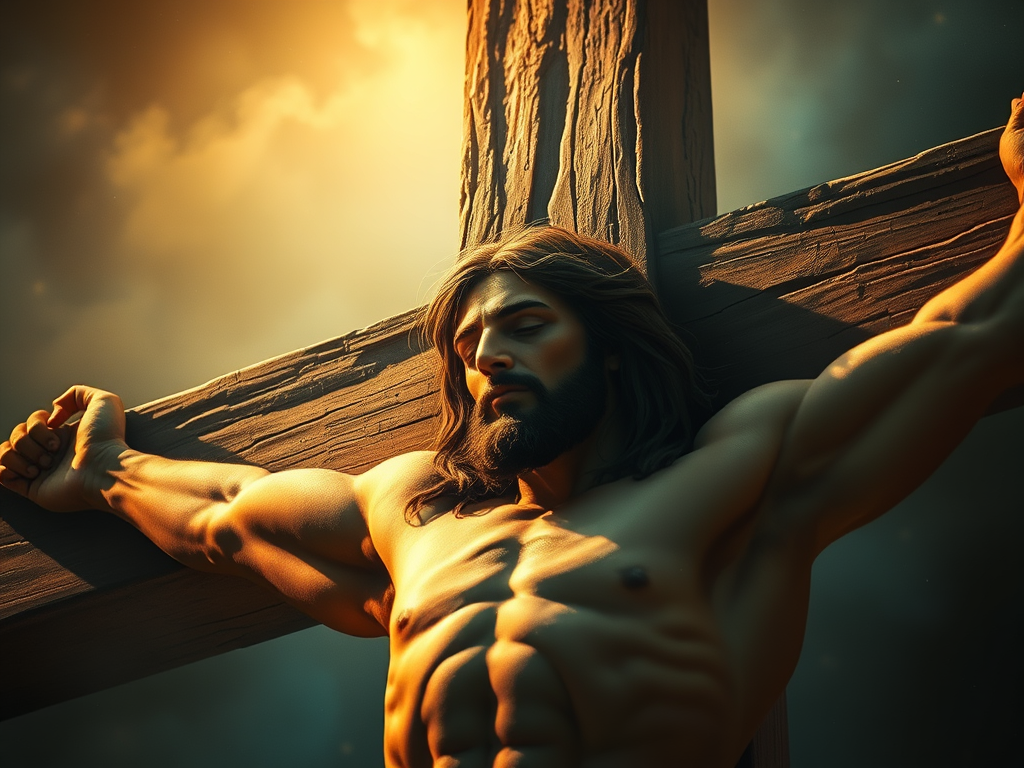
Tell of the cross where they nailed Him,
Writhing in anguish and pain;
Tell of the grave where they laid Him,
Tell how He liveth again.
Love in that story so tender,
Clearer than ever I see;
Stay, let me weep while you whisper,
Love paid the ransom for me.

About the Hymnwriter

Fanny J. Crosby (1820–1915) was more than a hymnwriter. She was a messenger of Christ’s love to people most of society overlooked. Though blind from infancy, she walked with confidence. She stepped into New York’s rescue missions, tenement halls, and shelters. These were places where the poor, the addicted, and the forgotten gathered. She didn’t go to change systems; she went to tell people about Jesus. Her ministry was personal, face‑to‑face, heart‑to‑heart.

Her hymns were born from that same posture. Crosby never wrote by force or routine. She prayed until the Lord gave her the theme, the tone, and the words. Only then would she begin dictating the lyrics. Tell Me the Story of Jesus reflects both sides of her calling. She was the evangelist who longed for every soul to hear the gospel. She was also the prayer-soaked believer who wanted the story of Christ written on her own heart again and again.

Benediction Prayer

May the story of Jesus rest fresh on your heart today.
May His birth bring you joy, His life give you strength,
His suffering draw you near, and His resurrection fill you with hope.
And may the sweetest story ever told become the anchor of your soul.
Amen.

Wednesday Worship: Jesus Paid It All


Opening Reflection

Hebrews 10 invites us to stand before the cross with clear eyes and a quieted heart. It reminds us that the law was never the destination. It was only the shadow of a greater reality yet to be revealed. The sacrifices of the Old Testament expose sin, but they never erase it. They bring people near, but they can not make them clean.

Christ, nevertheless, offered one sacrifice for sins for all time—and then He sat down. His work was finished. His offering was done. His blood accomplished what the law never could. It cleansed the conscience. It perfected those who draw near.

This is the truth that the beloved hymn Jesus Paid It All proclaims with such simplicity and power. Every believer confesses this. They have discovered that their hope does not rest in their own efforts. Instead, it rests in the finished work of Christ.


Scripture Anchor: Hebrews 10:12–14 (ESV)

“But when Christ had offered for all time a single sacrifice for sins, he sat down at the right hand of God… For by a single offering he has perfected for all time those who are being sanctified.”


Devotional

Hebrews 10 opens with a sobering reminder: the law was never meant to be the final answer. It was a shadow—a silhouette cast by something greater that had not yet appeared. The sacrifices of the Old Testament exposed sin, but they never erased it. They brought people near, but did not make them clean.

If the blood of bulls and goats had truly cleansed the conscience, the offerings would have stopped. But they didn’t. Year after year, the priests stood—always standing, always sacrificing—because the work was never finished. The very repetition of the sacrifices was proof of their insufficiency.

Hebrews 10:12 interrupts with the gospel in a single sentence. Christ offered one sacrifice for sins for all time. Then He sat down. The priests stood because their work was never done. Christ sat down because His work was finished.

This is the heart of the chapter: we do nothing because Jesus has done everything.

His sacrifice is not one more offering in a long line of attempts. It is the final offering. It is the perfect offering. It is the once-for-all offering. It actually cleanses the conscience and perfects those who draw near. The blood of Christ does what the law could never do—it makes us clean, whole, forgiven, and welcomed.

And this is where the hymn Jesus Paid It All becomes more than a song. It becomes a confession of faith that rises straight out of Hebrews 10. The hymn writer understood what the writer of Hebrews proclaimed. Our efforts and our striving cannot make us presentable before God. Our spiritual disciplines and attempts to “be better” are insufficient. None of these can make us presentable before God. They are good, but they are not atoning. They are helpful, but they are not saving.

We do not approach God because we have prayed enough. We do not approach God because we have behaved well enough. We do not approach God because we have avoided sin long enough. We approach God because Jesus paid it all.

And that changes everything.

Have you ever hesitated to come to God because you felt unworthy? Have you ever tried to “clean yourself up” before praying again? Have you ever believed the lie that you need a streak of good days before God will welcome you?

Hebrews 10 dismantles that lie. The hymn reinforces it. The cross settles it.

Your confidence before God is not rooted in your performance—it is rooted in Christ’s finished work. His sacrifice is not fragile. His blood is not temporary. His cleansing is not conditional. You are invited to draw near, not because you are worthy, but because He is.

So take a moment and ask yourself: Where am I still trying to offer God my own sacrifices?

  • My discipline
  • My consistency
  • My ministry
  • My moral effort
  • My attempts to “make up” for my failures

All of these things matter—but none of them save.

You are a son. You are a daughter. Not by your offerings, but by His.

And that is why generations have sung, and will continue to sing, that simple, liberating truth: Jesus paid it all. Not some. Not most. Not the part you can’t fix. All.


Hymn: Jesus Paid It All

Words: Elvina M. Hall (1865)
Music: John T. Grape (1868)

Verse 1
I hear the Savior say,
Thy strength indeed is small;
Child of weakness, watch and pray,
Find in Me thine all in all.

Refrain
Jesus paid it all,
All to Him I owe;
Sin had left a crimson stain,
He washed it white as snow.

Verse 2
Lord, now indeed I find
Thy power and Thine alone,
Can change the leper’s spots
And melt the heart of stone.

Refrain
Jesus paid it all,
All to Him I owe;
Sin had left a crimson stain,
He washed it white as snow.

Verse 3
For nothing good have I
Whereby Thy grace to claim;
I’ll wash my garments white
In the blood of Calv’ry’s Lamb.

Refrain
Jesus paid it all,
All to Him I owe;
Sin had left a crimson stain,
He washed it white as snow.

Verse 4
And when before the throne
I stand in Him complete,
“Jesus died my soul to save,”
My lips shall still repeat.

Refrain
Jesus paid it all,
All to Him I owe;
Sin had left a crimson stain,
He washed it white as snow.


Jesus Paid It All: take time to meditate upon this great hymn as you are reminded as to how great a love the Lord has bestowed upon us, sinners as we are.

About the Hymnwriter

Elvina M. Hall wrote the words to Jesus Paid It All. She was sitting in the choir loft of Monument Street Methodist Church in Baltimore. As she listened to the sermon, the lines began forming in her heart—a simple, profound declaration of Christ’s sufficiency. John T. Grape, the church organist, later composed the tune that carried her words into the worship of generations.

The hymn endures because its message is timeless: Christ has done what we could never do. His sacrifice is enough.


Closing Prayer

Lord Jesus, thank You for Your once-for-all sacrifice. Thank You that You have done what the law could never do. Thank You that we can draw near with confidence, not because of our worthiness, but because of Your finished work. Teach us to rest in the truth that You paid it all. Amen.


Benediction

May the God who perfected you through the sacrifice of His Son fill you with confidence. May He also fill you with peace and joy as you draw near to Him. Walk in the freedom of the cross. Know that Jesus paid it all. Nothing can be added to His finished work.