

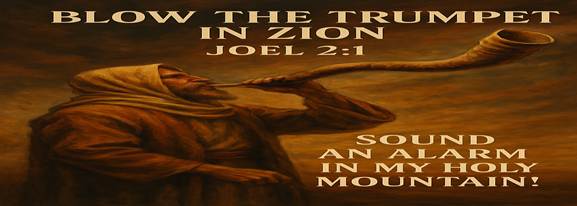
“When the Church Becomes a Non-Prophet Organization”
🔥 The Silent Reformation: When the Gifts Go Missing
The Church today faces one of its most sobering realities. There is a quiet elimination of the very leadership gifts the Holy Spirit gave to equip and mature the Body. In many congregations, only the role of Pastor/Teacher remains visible. Even that role is often reduced to a weekly sermon and administrative oversight. The Evangelist was once a fiery voice calling the lost to repentance. Now, they are more often rebranded as a “missionary.” They are tucked away in foreign fields rather than stirring hearts at home.
But what of the Apostle? The Prophet? These foundational gifts (Ephesians 4:11–13) are not just absent—they are often unwelcome. Mainline churches have institutionalized themselves into a form of godliness in many cases. They deny the power and structure that God originally ordained.
This isn’t just a leadership issue—it’s a spiritual crisis. When the Church becomes a “non-prophet organization,” it loses its ability to:
- Hear and declare the word of the Lord (Prophet)
- Pioneer new territory and establish Kingdom order (Apostle)
- Stir the hearts of the lost (Evangelist)
- Shepherd and teach with clarity and compassion (Pastor/Teacher)
The result? A body that is undernourished, under-equipped, and often unaware of its true calling.
👤 Apostles as Fathers of the Faith
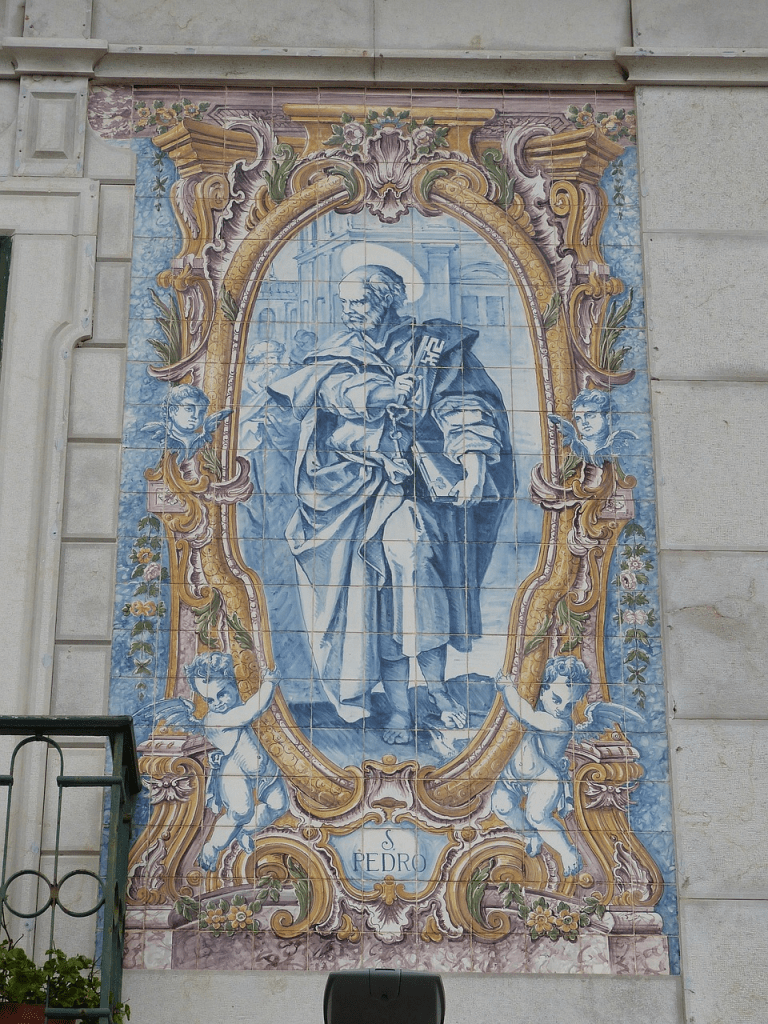
The early Church Fathers were direct disciples of the apostles. They were seen not just as theologians but as spiritual patriarchs. They preserved doctrine, corrected error, and nurtured the Church into maturity. Clement of Rome, for example, emphasized apostolic succession as a way to preserve the integrity of the faith. This idea of spiritual fatherhood was foundational to early Christian identity and governance.
Your framing of apostles as “fathers of the faith” aligns with this tradition. Apostles weren’t just pioneers. They were builders, correctors, and nurturers. They resembled a father raising children into maturity. Consider 1 Corinthians 4:15: “Though you have countless guides in Christ, you do not have many fathers…”
Fatherhood as a Lost Art in America
Modern sociologists and psychologists have echoed your concern about the decline of fatherhood in American culture:
- Ray Williams describes America as becoming a “fatherless society,” with massive social consequences including poverty, crime, and emotional instability.
- Psychology Today notes that the archetype of the father—as protector, moral guide, and stabilizer—has been eroded or distorted in modern narratives.
- Don Unger, in Men Can, explores how the image and role of fathers have shifted, often being undervalued or misunderstood in both family and cultural life.
🔗 The Church and the Culture Mirror Each Other
The erosion of fatherhood in society is not just a sociological issue—it’s a spiritual one. The Church, by sidelining the apostolic and prophetic offices, has modeled a form of leadership that lacks fatherhood, correction, and generational vision. This absence has echoed into the culture, where natural fatherhood is now seen as optional, replaceable, or even irrelevant.
When the Church no longer raises up spiritual fathers, the result is a generation of believers who:
- Struggle with spiritual identity
- Resist correction and accountability
- Lack maturity and direction
- Chase trends instead of truth
This mirrors the broader cultural fallout of fatherlessness—emotional instability, rebellion, and a hunger for affirmation in all the wrong places.
The Crisis of Fatherhood: In the Church and the Culture
Explaining the need for these missing offices established by God shows a real lack of understanding on the part of the Reformation Church movement, which basically eliminated the Holy Spirit and gifts entirely. The Reformation Church movement, in its zeal to correct abuses, often swung the pendulum too far, sidelining the very gifts and offices that were meant to empower and mature the Body.
Restoring these offices isn’t just about leadership—it’s about reclaiming the Church’s identity and mission. Without apostles, prophets, evangelists, and Spirit-empowered pastors and teachers, the Church risks becoming a hollow institution rather than a living, breathing organism.
The trumpet sounds for a return to the fullness of God’s design—a Church that hears His voice, pioneers new territory, stirs the lost, and shepherds with compassion and clarity.
📖 Scriptural Support for Fatherhood
The Bible provides a wealth of guidance on the importance of fatherhood, both spiritual and natural:
- Malachi 4:6: “He will turn the hearts of the fathers to their children, and the hearts of the children to their fathers; or else I will come and strike the land with total destruction.” This verse underscores the critical role of fathers in restoring relationships and preventing societal decay.
- Ephesians 6:4: “Fathers, do not provoke your children to anger, but bring them up in the discipline and instruction of the Lord.” This highlights the father’s role in nurturing and guiding their children spiritually.
- Proverbs 22:6: “Train up a child in the way he should go; even when he is old he will not depart from it.” This emphasizes the long-term impact of a father’s guidance.
- 1 Corinthians 4:15: “Though you have countless guides in Christ, you do not have many fathers. For I became your father in Christ Jesus through the gospel.” This verse reflects the spiritual fatherhood role that apostles and church leaders are called to fulfill.
By integrating these scriptures, the Church can reclaim its role as a spiritual family, with fathers—both natural and spiritual—leading the way in nurturing, correcting, and guiding the next generation.
🔮 The Misunderstood Prophet: Truth in a Time of Tension
The prophetic office has always been controversial—because prophets don’t just comfort, they confront. They don’t just predict, they pierce. In a culture (and Church) that often prefers affirmation over accountability, the prophet’s voice is frequently silenced, sanitized, or sidelined.
🧱 What the Prophet Is Not:
- Not a fortune-teller or spiritual entertainer
- Not a self-appointed critic with a microphone
- Not merely someone who “feels things deeply”
🔥 What the Prophet Is:
- A mouthpiece for God’s heart and mind (Jeremiah 1:9)
- A watchman who warns of danger (Ezekiel 33:7)
- A plumb line for truth and holiness (Amos 7:7–8)
- A builder who equips and strengthens the Church (1 Corinthians 14:3)
🚫 Why the Church Resists Prophets:
- Prophets disrupt comfort zones
- They expose hidden sin and institutional compromise
- They challenge the status quo and call for repentance
- They often speak what others are afraid to say
📖 Scriptural Anchors:
- Jeremiah 1:10 – “See, I have set you this day over nations and over kingdoms, to pluck up and to break down, to destroy and to overthrow, to build and to plant.”
- 1 Thessalonians 5:20–21 – “Do not despise prophecies, but test everything; hold fast what is good.”
- Amos 3:7 – “Surely the Sovereign Lord does nothing without revealing his plan to his servants the prophets.”
- Ephesians 2:20 – “Built on the foundation of the apostles and prophets, Christ Jesus himself being the cornerstone.”
Turning the Church Back into a “For Prophet” Organization
To restore the prophetic office is to restore the Church’s relevance and reverence. A Church that embraces the prophetic voice becomes:
- A beacon of truth in a time of deception
- A source of hope in a world of despair
- A catalyst for repentance and revival
- A community that hears and responds to the voice of God
The trumpet sounds for a return to the fullness of God’s design—a Church that hears His voice, pioneers new territory, stirs the lost, and shepherds with compassion and clarity. Let us not despise the prophetic gift but embrace it, test it, and hold fast to what is good.
🌱 The Evangelist: Sowers in the Vineyard
The role of the Evangelist is indispensable in the life of the Church. Without those who sow seeds of the Gospel, there can be no harvest. Evangelists are the planters in the vineyard, tirelessly working to bring the message of salvation to the lost.
📖 Scriptural Foundations:
- Matthew 9:37–38: “Then he said to his disciples, ‘The harvest is plentiful, but the laborers are few; therefore pray earnestly to the Lord of the harvest to send out laborers into his harvest.’”
- Romans 10:14–15: “How, then, can they call on the one they have not believed in? And how can they believe in the one of whom they have not heard? And how can they hear without someone preaching to them? And how can anyone preach unless they are sent? As it is written: ‘How beautiful are the feet of those who bring good news!’”
- 2 Timothy 4:5: “But you, keep your head in all situations, endure hardship, do the work of an evangelist, discharge all the duties of your ministry.”
🌍 The Evangelist’s Mission:
Evangelists are not just preachers—they are heralds of the Kingdom, bringing the good news to every corner of the earth. Their mission is to:
- Proclaim the Gospel with clarity and conviction
- Call sinners to repentance and faith in Christ
- Equip the Church to share the Gospel
- Pioneer new ministries and outreach efforts
🚨 The Church’s Neglect:
Many churches have sidelined the role of the Evangelist, relegating it to foreign missions or occasional revival meetings. This neglect has led to a lack of evangelistic fervor within local congregations, resulting in stagnation and decline.
🌟 Restoring the Evangelistic Gift:
To restore the Church’s vitality, we must reemphasize the importance of the Evangelist. This includes:
- Recognizing and affirming those with the gift of evangelism
- Providing training and resources for effective Gospel outreach
- Creating opportunities for evangelistic ministry within the local church
- Celebrating the fruit of evangelistic efforts
The Evangelist is a God-ordained gift to the Church, essential for its growth and health. Let us not ignore this vital role but embrace it with the urgency and passion it deserves.
🌟 The Overlooked Gifts: A Call to Action
Beyond the Evangelist, there are many other spiritual gifts that are often ignored or underutilized in the Church today. These gifts, given by the Holy Spirit, are meant to build up the Body of Christ and advance the Kingdom of God.
📖 Scriptural Basis:
- 1 Corinthians 12:4–7: “There are different kinds of gifts, but the same Spirit distributes them. There are different kinds of service, but the same Lord. There are different kinds of working, but in all of them and in everyone it is the same God at work. Now to each one the manifestation of the Spirit is given for the common good.”
- Ephesians 4:11–13: “So Christ himself gave the apostles, the prophets, the evangelists, the pastors and teachers, to equip his people for works of service, so that the body of Christ may be built up until we all reach unity in the faith and in the knowledge of the Son of God and become mature, attaining to the whole measure of the fullness of Christ.”
🌈 A Diversity of Gifts:
The Holy Spirit has given a wide variety of gifts to the Church, including:
- Teaching: The ability to explain and apply God’s Word effectively
- Healing: A gift of faith and prayer to bring physical and spiritual healing
- Administration: The ability to organize and lead with wisdom and efficiency
- Hospitality: A heart to welcome and care for others
- Discernment: The ability to distinguish between truth and error
🚀 A Call to Action:
The Church must:
- Identify and nurture these gifts within its members
- Create opportunities for these gifts to be exercised
- Celebrate the diversity of gifts as a reflection of God’s creativity and purpose
By embracing the full spectrum of spiritual gifts, the Church can become the vibrant, Spirit-filled community God intended it to be. Let us not quench the Spirit but fan into flame the gifts He has given for the common good.
🌟 The Pastor/Teacher: Builders of Maturity

The role of the Pastor/Teacher is foundational to the Church’s mission of equipping believers and fostering spiritual growth. These leaders are not merely caretakers—they are builders, charged with developing disciples who can carry forward the work of the Kingdom.
📖 Scriptural Foundations:
- Ephesians 4:11–13: “So Christ himself gave the apostles, the prophets, the evangelists, the pastors and teachers, to equip his people for works of service, so that the body of Christ may be built up until we all reach unity in the faith and in the knowledge of the Son of God and become mature, attaining to the whole measure of the fullness of Christ.”
- Hebrews 5:12–14: “In fact, though by this time you ought to be teachers, you need someone to teach you the elementary truths of God’s word all over again. You need milk, not solid food! Anyone who lives on milk, being still an infant, is not acquainted with the teaching about righteousness. But solid food is for the mature, who by constant use have trained themselves to distinguish good from evil.”
- 2 Timothy 2:2: “And the things you have heard me say in the presence of many witnesses entrust to reliable people who will also be qualified to teach others.”
🌱 The Pastor/Teacher’s Mission:
Pastors and teachers are called to:
- Equip believers with a deep understanding of God’s Word
- Foster spiritual maturity and discernment
- Develop new leaders and disciples from within the congregation
- Create a culture of growth and multiplication
🚨 The Church’s Challenge:
A vibrant church is one that continually raises up leaders from within, rather than relying on external replacements for pastors and teachers. This requires intentional investment in discipleship and leadership development.
🌟 Restoring the Pastor/Teacher Role:
To restore the Church’s vitality, we must reemphasize the importance of the Pastor/Teacher. This includes:
- Recognizing and affirming those with the gift of teaching and shepherding
- Providing training and resources for effective discipleship
- Creating opportunities for leadership development within the local church
- Celebrating the fruit of spiritual growth and maturity
The Pastor/Teacher is a God-ordained gift to the Church, essential for its growth and health. Let us not ignore this vital role but embrace it with the urgency and passion it deserves.
🎁 Wrapping It All Together
The Church is called to be a living, breathing organism—a vibrant community that reflects the fullness of God’s design. This means embracing the diversity of gifts, restoring the offices of apostle, prophet, evangelist, pastor, and teacher, and nurturing the spiritual family with fathers and mothers who guide, correct, and inspire.
Let us rise to the challenge of becoming a “for prophet” organization once again. Let us hear the trumpet sound and respond with faith, courage, and action. The harvest is plentiful, the gifts are abundant, and the Spirit is ready to empower us for the work ahead.
May we be a Church that hears His voice, pioneers new territory, stirs the lost, and shepherds with compassion and clarity. The time is now. The call is clear. Let us answer with all our hearts.











You must be logged in to post a comment.