



The Road Already Traveled


The snow had fallen heavy across the fields, a white blanket covering everything in sight. Yet as I drove my route, the roads beneath my tires were clear. Someone had gone before me. Road crews had braved the cold, plowed the snow, and laid down salt so I could travel safely. I didn’t see their labor, but I reaped its benefit.

That picture stayed with me: the unseen work of those who prepare the way. And I realized—it’s not just true of winter roads. It’s true of the life of faith.

Scripture tells us we are “surrounded by so great a cloud of witnesses” (Hebrews 12:1). Men and women of faith who endured hardship, persecution, and trials have gone before us. They cleared the path, leaving behind testimonies of endurance and courage. Their footprints mark the way, showing us it can be done.

Paul could say at the end of his journey, “I have fought the good fight, I have finished the race, I have kept the faith” (2 Timothy 4:7). His words are like mile markers on the road, encouraging us to press on. The prophets, apostles, martyrs, reformers, and even faithful family members who walked with Christ—they all labored so we could travel confidently along the pathway they laid.

And here’s where the “comfort angel” comes in. Paul also writes that God comforts us in our affliction “so that we may be able to comfort those who are in any affliction, with the comfort with which we ourselves are comforted by God” (2 Corinthians 1:3–4). That’s the ministry of comfort: what once was frightening becomes manageable because someone else has already walked it, received God’s mercy, and left behind encouragement. Their testimony is like salt on icy roads, turning danger into safe passage.

Just as I thanked the road crews for their unseen work, I thank God for those who prepared the way of faith before me. Their endurance clears my doubts. Their testimony salts the icy patches of fear. Their example plows through the drifts of discouragement.

And now, the responsibility is ours. We are not only travelers—we are road crews for those who will come after. Our faithfulness today prepares tomorrow’s pathway. Our endurance becomes encouragement for the next generation.

So drive forward with confidence. The road is not uncharted. It has been traveled, tested, and proven. And as we follow Christ, we prepare the way for others to follow Him too—comforting them with the same comfort we ourselves have received.
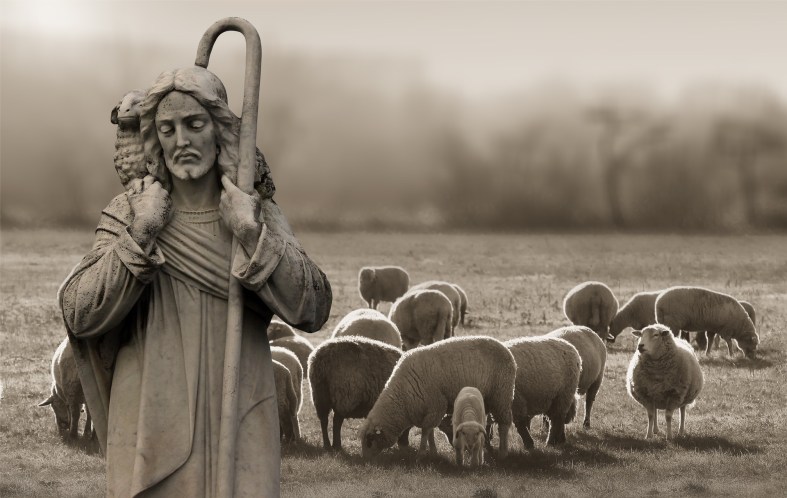
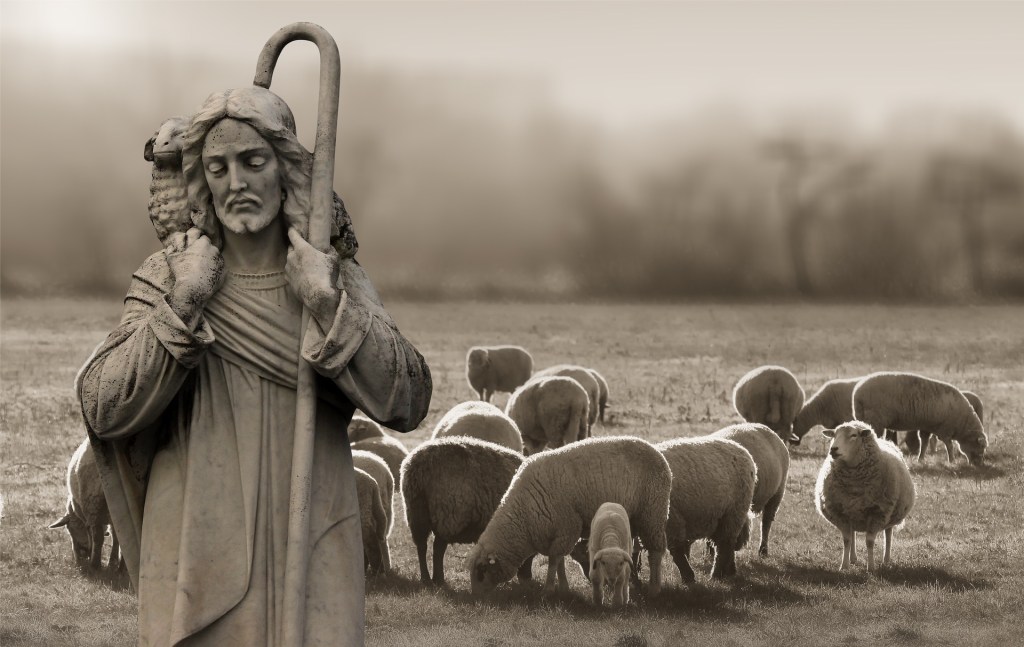
We can travel the road of faith with confidence because of those who’ve cleared the way.

Timeless Comfort: Embracing Psalm 23’s Wisdom


Experience the timeless comfort as we explore the profound words of “Psalm 23”. Allow this “christian meditation” to bring you “comfort” and guide you into a deeper connection with your “faith”. May these scriptures bring peace and renewal to your soul.

🪨 Shelter in the Storm: Anchored in the Rock Before the Winds Rise


The winds howl. The headlines scream. Homes are shattered, hearts are heavy, and the world trembles beneath a thousand storms—natural, emotional, spiritual. And in the middle of it all, an old hymn whispers with unwavering faith:

Jesus is a rock in a weary land, a shelter in the time of storm.

This isn’t just poetic comfort—it’s spiritual survival. A Shelter in the Time of Storm, written in the late 1800s by Vernon Charlesworth, was born out of a world worn down by hardship. It became a lifeline sung by fishermen steering into stormy harbors, echoing through orphanages ministering to broken souls, and later reimagined by Ira Sankey to stir congregations across oceans. Its refrain is timeless—because the Rock it speaks of is eternal.

Storms will come. And when they do, it’s not doctrine or dogma that saves us—it’s Christ Himself. Scripture declares:

“The Lord has been our dwelling place in all generations… He is my rock, my fortress, my deliverer.” (Psalm 90:1, 18:2)

But in the middle of the storm—when thunder drowns out reason and lightning blinds perspective—it’s difficult to fix your eyes on anything but the chaos. That’s why it’s vital to know the Rock before the storm hits. Calm seas are the classroom. Quiet days are the training ground. Every peaceful moment spent abiding in Him becomes a spiritual anchor when the winds rise.

When you know Jesus in the stillness, you recognize Him in the storm.
He’s not just refuge; He’s recognition.
Not just shelter; He’s strength.
Not just security; He’s sovereign.

And as the world reels from wildfires, floods, wars, and heartache—this hymn becomes a holy declaration: we are not unmoored. The storm may be raging, but the Rock is not shaking. In Him, we find not just protection—but peace.

So today, as tempests swirl around us, let this truth settle deep into your spirit:
Jesus is sure, sound, safe, and secure. He is your Shelter. He is your Storm-Calmer. He is your Rock—now and forever.
This has been a View From the Nest, please like and share and don’t forget to sign up for our newsletter to stay up-to-date when new posts are added. Thank you for stopping by.

Allen Scott

Finding Peace in Life’s Storms: A Reflection on “It Is Well with My Soul”


Finding peace in any storm

Life has a way of testing us—through loss, heartache, and moments where hope feels distant. It’s in those very storms that we must search for peace, even when it seems impossible. Few expressions of resilience and faith are as profound as the hymn It Is Well with My Soul, written by Horatio Spafford in the wake of unimaginable tragedy. His story is a powerful testament to how faith can sustain us through the darkest valleys.

A Song Born from Sorrow

Horatio Spafford was no stranger to grief. After losing his young son to illness, financial ruin followed due to the Great Chicago Fire of 1871. But it was in 1873, when his four daughters perished in a shipwreck, that his faith was truly tested. As he traveled across the ocean to reunite with his wife—the only survivor—Spafford penned the words that would become It Is Well with My Soul.

When peace like a river attendeth my way, When sorrows like sea billows roll; Whatever my lot, Thou hast taught me to say, It is well, it is well with my soul.

Imagine writing such words while sailing past the very place where your children were lost. His hymn was not one of resignation, but of trust in something greater. It is a reminder that peace is not found in the absence of hardship, but in the presence of unwavering faith.

Holding on to Faith Through Hardship

The message of the hymn resonates deeply because loss and suffering touch everyone at some point. When life doesn’t go as planned—when we are faced with grief, disappointment, or uncertainty—it can feel like drowning in those very same waves.

Yet, Spafford’s words encourage us to surrender our burdens, to trust that peace can be found even when the storm rages. Faith does not erase sorrow, but it does offer a steady anchor. Whether through prayer, reflection, or simply breathing through the moment, we can find strength that transcends circumstance.

A Call to Find Peace in the Storm

What storm are you facing right now? Are the waves crashing hard against your soul? Perhaps this is the reminder you need—that peace is not dependent on life being perfect, but on trusting that it will all be well in the end.

Take a moment to reflect, to listen to the hymn, and to allow its message to settle into your heart. And if you are struggling, know this: you are not alone. Faith, hope, and resilience are always within reach, even when the sea billows roll.