
A few new wrinkles in an old classic hymn. From one classic to another I offer you the SENIOR EDITION of Jesus Loves Me even with all my wrinkles and gray hair. Who says just because something is old it is no longer relevant, well this childhood favorite still has charm for the geriatric set. Enjoy and please like and share and pass the joy and JESUS’ love around to bless others. Thanks for stopping by.
Tag Bible
WHERE HE LEADS ME: Reflections on this great hymn
GOD’S ODD BALLS
Why the Castaways Still Carry the Crown
THE LATEST EDITION OF A VIEW FROM THE NEST
They called them outcasts. Madmen. Mystics. Men who raved in the wilderness, cried in the streets, wore rags for robes, and spoke words that no one wanted to hear—yet couldn’t afford to ignore. Their lives didn’t follow the script of cultural acceptance; their obedience made them strange, and their calling made them dangerous.
From Noah’s hammer pounding dry earth, to Jeremiah’s tears on prison walls, from Hosea’s aching marriage to John the Baptist’s blazing sermons in the wild—Scripture is full of voices that came from the margins. And none more so than the One called a demon by His own people—Jesus, the cornerstone the builders rejected.
But rejection is not the end of the story. It is the beginning of divine disruption.
Title: Stop Wasting Gifts: The Shocking Truth About Church Unity
Random Ramblings from the Resident Raptor
Intro
Is your church – the place you count on for spiritual food and fellowship – unknowingly holding itself back? What if I told you that many congregations, maybe even yours, are unintentionally undermining their own unity and strength? How? By overlooking or downplaying the very gifts God has given them to flourish. It’s a tough pill to swallow, but the truth is, countless spiritual talents are gathering dust – unused, unappreciated, or even dismissed. This leads to a fractured and less effective Body of Christ. Stick with me as we dig into the biblical truth that every spiritual gift is essential, and how truly welcoming this God-given diversity isn’t just a nice idea, but the absolute key to a vibrant, interconnected church.
Section 1: The Problem – Wasting Gifts, Sabotaging Unity
We talk a lot about unity in the church, don’t we? It’s a beautiful idea, even a command from God. Jesus himself prayed passionately for it in John 17 – that his followers would be one, so the world would believe. But what does that unity look like? Is it about everyone thinking, acting, and serving in the exact same way? Not a chance. The Bible shows us a unity that’s born from diversity – like a beautiful harmony of different notes, not just one long, boring hum.
The problem, the “shocking truth,” is that many churches have quietly stumbled into a trap. We’ve, often without meaning to, created a sort of ranking system for spiritual gifts. Some gifts get all the attention, put on a pedestal – you know, the more visible ones like preaching, teaching, or leading worship. Meanwhile, other gifts – often the quieter, less public, or maybe less understood ones – get pushed to the side, seen as less important, or sometimes completely ignored.
Think about it. When was the last time your church got as excited about celebrating the gift of helps, or mercy, or administration as it did for a powerful sermon? When did you last hear a message emphasizing how crucial those with gifts of discernment, hospitality, or giving are to the church’s health and outreach?
Now, this usually doesn’t come from a bad place. Often, it’s just due to misunderstanding, not enough teaching on the subject, or a cultural tendency to value what looks most impressive on the surface or gives the quickest results. But the result? Gifts get wasted. And when gifts are wasted, the One who gave them isn’t fully honored, and His Body, the church, suffers. We’re telling parts of the Body that they’re not needed, or at least, not as much. This flies right in the face of what the Bible teaches and is a surefire way to wreck the very unity we say we want. It doesn’t breed unity; it breeds division, not over big theological debates, but over something as basic as undervaluing God’s diverse gifts.
Section 2: Agitating the Problem – The Shocking Truth & Consequences
So, what really happens when a church devalues or ignores certain spiritual gifts? This is where that “shocking truth” lands a punch. It’s not just a small hiccup; it’s a major blow to the church’s energy and its mission.
First off, disunity and division start to grow. The Apostle Paul, in 1 Corinthians 12, uses the human body as an example. He asks, “If the foot should say, ‘Because I am not a hand, I do not belong to the body,’ that would not make it any less a part of the body.” [1 Corinthians 12:15]. When certain gifts are constantly overlooked or not appreciated, the members with those gifts can feel just like that foot – pushed to the side, believing they don’t truly belong or that what they offer isn’t valued. This can lead to frustration, resentment, and eventually, people just checking out. Folks might pull back, not ’cause they don’t love God, but because they just don’t see where their unique, God-given talents fit in. This creates cliques, an “us vs. them” vibe between the “star players” and the seemingly “less gifted,” which is a sad irony in the Body of Christ. Paul warns us about this, saying “there should be no division in the body, but that its parts should have equal concern for each other.” [1 Corinthians 12:25].
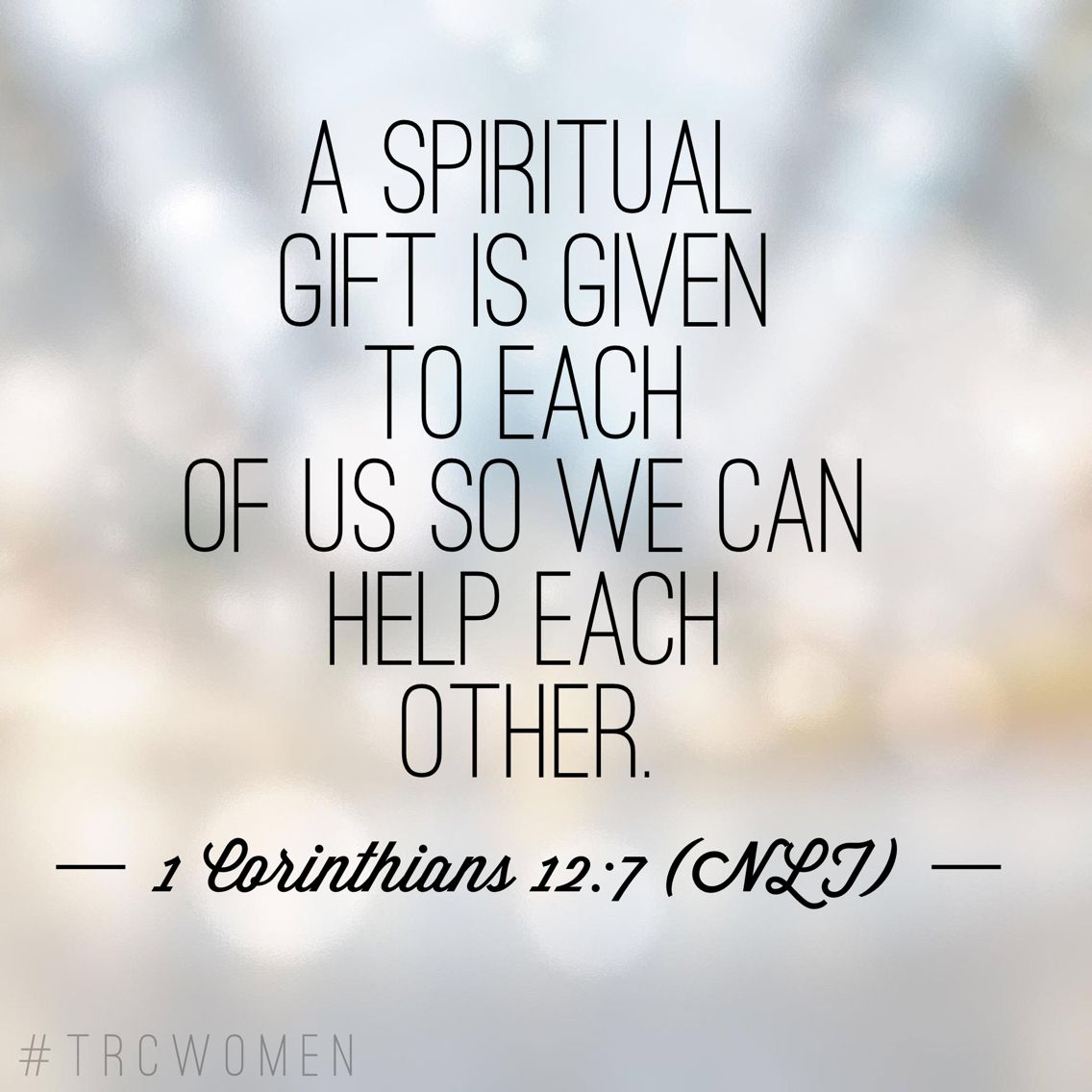
Secondly, the church’s overall effectiveness gets crippled. Imagine an army where only the front-line soldiers are valued, and the supply lines, and intelligence, and medical teams are ignored. How well would that army do? It’s the same with the church. We have a mission – to make disciples, to be salt and light, to care for a hurting world. If we’re only using a small slice of the available gifts, we’re essentially fighting with one hand tied behind our back. We miss out on critical insights from those with wisdom, compassionate care from those with mercy, vital organization from those with administration, and essential support from those with the gift of helps. The “common good,” which Paul says is why the Spirit shows up with these gifts, is seriously reduced. [1 Corinthians 12:7]. The church becomes less flexible, less resilient, and less able to meet the many needs both inside its doors and out in the community it’s called to serve.
Thirdly, individual believers get stunted in their spiritual growth and personal fulfillment. Spiritual gifts aren’t just for the church’s benefit; they’re also how we connect with God and grow in our faith. When believers aren’t encouraged or given chances to use their God-given gifts, they miss out on the joy and spiritual development that comes from serving in their own unique way. They might feel unfulfilled, wonder about their purpose, or even start doubting God’s work in their lives. God wants every believer to be an active, contributing player, not just a spectator. Ignoring this leads to a church full of underdeveloped members, instead of a body growing up strong in Christ.
And maybe the biggest shocker? We end up painting a wrong picture of God. The variety of gifts reflects God’s amazing, multifaceted nature – His creativity, His wisdom, His love in all its different expressions. When we limit or rank gifts, we’re showing a small, warped version of who God is. A church that truly honors all gifts, on the other hand, displays the incredible range of God’s genius and His fair, loving heart for all His children.
The truth is, a church that wastes gifts is a church settling for less than what God has in mind. It might look busy, but it’s not truly healthy or unified in the way the Bible describes. This isn’t just some minor theological point; it’s a spiritual wake-up call that needs our attention.
Section 3: The Biblical Solution – Every Gift is Essential
The good news is, the Bible doesn’t just point out the problem; it gives us a clear and powerful solution. That solution is all about understanding and truly embracing the biblical idea that every spiritual gift is vital, given by the same Spirit, for the same goal: to build up the Body of Christ in unity and love.
So, where do we find this in the Bible? Well, 1 Corinthians 12 is a great place to start – it really breaks it all down. Paul kicks off by saying, “Now there are varieties of gifts, but the same Spirit; and there are varieties of service, but the same Lord; and there are varieties of activities, but it is the same God who empowers them all in everyone. To each is given the manifestation of the Spirit for the common good.” (1 Corinthians 12:4-7). Did you catch that? Varieties of gifts, but the same Spirit, the same Lord, the same God. That right there tears down any reason to lift one gift above another because of how “important” it seems. They all come from God Himself.
Paul then lists a whole range of gifts: wisdom, knowledge, faith, healing, miracles, prophecy, discerning spirits, tongues, and interpreting tongues. [1 Corinthians 12:8-10]. And importantly, he doesn’t stop there. Over in Romans 12:6-8, he adds more: serving, teaching, encouraging, contributing (or giving), leadership, and showing mercy. Ephesians 4:11 lists apostle, prophet, evangelist, shepherd (pastor), and teacher, explaining their job is to equip God’s people for ministry. Then you’ve got Peter chiming in, in 1 Peter 4:10-11, saying, “As each has received a gift, use it to serve one another, as good stewards of God’s varied grace.”
The message loud and clear from all these passages is really twofold:
Diversity is God’s Idea: God intentionally hands out a wide variety of gifts. This isn’t some cosmic oopsie or a design flaw; it’s His perfect plan. This variety is meant to show off His own incredible nature and to make sure the church is ready for every good thing He wants it to do.
We Absolutely Need Each Other: Paul’s body analogy is key here. “The eye cannot say to the hand, ‘I have no need of you,’ nor again the head to the feet, ‘I have no need of you.’ On the contrary, the parts of the body that seem to be weaker are indispensable.” (1 Corinthians 12:21-22). That’s a pretty radical idea, isn’t it? The parts that ‘seem weaker’ are actually essential! Every single gift, every single member, has a critical role. Nobody is self-sufficient. We need each other. This interdependence is how God builds humility and genuine care within the church.
Getting this biblical picture totally changes how we see things. It’s not about which gifts are “better” or “more spiritual.” It’s about realizing that all gifts are from God, all are necessary, and all should be honored and used to build up the church and bring glory to God. A gift’s value isn’t about how flashy or public it is, but how faithfully it’s used to serve others in love.
Section 4: Embracing Diversity – The Key to a Thriving Church
So, what happens when a church stops just nodding at the idea of spiritual gifts and really starts to nurture all of them? Something amazing. It blossoms into a thriving, vibrant community that truly reflects God’s design.
What does this actually look like day-to-day?
A thriving church that embraces gift diversity is one where:
Everyone gets equal honor: Just like Paul said, “God has so composed the body, giving greater honor to the part that lacked it, that there may be no division in the body, but that the members may have the same care for one another.” (1 Corinthians 12:24-25). This means making a real effort to recognize and appreciate those gifts that often fly under the radar. It means leaders go out of their way to affirm the value of every contribution – from the person setting up chairs (service/helps) to the one offering a quiet word of comfort (mercy/exhortation) – with the same genuineness they affirm the preacher.
Interdependence isn’t just tolerated, it’s celebrated: Instead of creating an atmosphere of “superstar” Christians or leaning too heavily on a few staff members, the church actively builds a culture where people see how much they need each other’s gifts. Teaching highlights how different gifts work together. Opportunities are intentionally created for ministries where diverse gifts can team up and make an even bigger impact.
Every member is an active minister: That old line between “clergy” and “laity,” at least in terms of who does ministry, starts to fade. Every believer is understood to be a minister, equipped by the Spirit with gifts to serve. The church becomes a hub for equipping and sending people out, not just a place for passive listening.
The mission becomes more effective: With a fuller toolbox of gifts in play, the church can engage in a wider variety of ministries and outreach. It can meet a broader range of needs, both within its own family and in the wider community. That “common good” Paul talked about expands, and the church’s witness becomes more powerful and believable.
But let’s be real, there are some common myths that can get in the way:
“My gift is too small or insignificant.” Friend, the Bible says even the “seemingly weaker” parts are essential. There are no small gifts in God’s eyes, just different functions.
“Only certain people have ‘real’ spiritual gifts.” Nope! Scripture is clear that each believer is given a manifestation of the Spirit. [1 Cor 12:7, 1 Peter 4:10]. The adventure is in discovering and developing them.
“Gifts are only for ‘super-spiritual’ people.” Gifts are grace-gifts (the word “charismata” literally means that!). They’re not rewards for being spiritually awesome, but tools God gives for growth and service, as His Spirit decides.
Embracing the whole spectrum of spiritual gifts isn’t about perfectly checking off a list of talents. It’s about building a culture where every single person feels valued, every God-given ability is seen as a vital piece of the puzzle, and every member is empowered to play their unique part in the beautiful, complex, and divinely orchestrated Body of Christ.
Section 5: Practical Steps & Call to Action
Okay, so getting all this is great, but putting it into action? That’s the real challenge, right? So, how can we actively stop wasting gifts and build this culture of unified diversity in our churches?
For Individuals:
Pray and Discover: Not sure what your spiritual gifts are? First off, pray about it. Ask the Holy Spirit to show you how He’s wired you. Look into good resources, maybe try a spiritual gifts assessment – just remember they’re helpful starting points, not the final word. Think about what you’re passionate about, what you seem to do well, and where you see needs that pull at your heart.
Serve and Experiment: Often, the best way to find and grow your gifts is simply by jumping in and serving. Step out in faith and try different areas of ministry. You might just be amazed at what God stirs up in you.
Value Others’ Gifts: Make it a point to notice and affirm the gifts you see in others, especially those different from your own. Thank the person who quietly serves behind the scenes, encourage the one who shows deep compassion, support the one who keeps things organized.
Resist Comparison: Don’t get caught in the trap of comparing your gifts to someone else’s. As Paul warned, that just leads to feeling down on yourself or getting puffed up with pride. Focus on faithfully using what God has given you.
For Churches (Leadership & Congregation):
Teach Comprehensively on Gifts: Make it a regular thing to teach about the full range of spiritual gifts – their purpose, and why every-member ministry is so important. Don’t just highlight the up-front gifts. Share stories of how diverse gifts are building up your church.
Create Diverse Opportunities: Make sure there are plenty of different ways for people to use their gifts. This might mean taking a fresh look at current ministries or even starting new ones that let different talents shine. Think outside the usual church program box.
Equip and Empower: Actively help members find and use their gifts. Offer training, mentoring, and resources. Trust people and empower them to take the lead in areas where their gifts are.
Model Humility and Interdependence: Leaders, this one’s big for you. Show that you rely on the gifts of others, both in your leadership team and in the wider church family. Publicly affirm and make use of diverse gifts.
Foster a Culture of Affirmation, Not Competition: Work hard to create an atmosphere where every contribution is genuinely valued and celebrated, and where there’s no feeling of competition between different ministries or gifted people.
Pray for Unity and Wisdom: Keep praying for the Holy Spirit to bring unity to your church and to give you all wisdom on how to best use the gifts He’s so generously given.
CTA
What’s one step you can take this week to either discover your own spiritual gift, or to affirm and encourage someone else in theirs? Share your thoughts or experiences in the comments below – let’s learn from each other! And if this message hits home, think about sharing it with your church leaders or small group.
Conclusion
So, let’s be honest: when we ignore or devalue the diverse spiritual gifts God has poured into His church, we unintentionally help create disunity, we slow down our growth, and we limit our impact. But the biblical truth is even more powerful: every gift is vital, every member is essential, and embracing this God-given diversity is the road to a truly unified, thriving, and effective Body of Christ.
Just picture it for a moment: a church where every single person knows they are valued, equipped, and necessary. Imagine the creative solutions, the deep compassion, the dynamic outreach, the profound unity that would flow from a community like that. This isn’t just some pie-in-the-sky dream; it’s God’s actual design.
It’s time to stop letting these precious gifts go to waste. Let’s commit, together, to recognizing, honoring, and unleashing the full spectrum of spiritual talents within our congregations. Because when every part of the Body is working properly, built up in love, the church becomes an unstoppable force for God’s glory and the world’s good. The unity Christ prayed for isn’t found in being all the same, but in the beautiful, interdependent mosaic of His gifted people.
This has been a View From the Nest: And that is the way I see it! What say you?
Quenching the Spirit: The Silent Crisis in Today’s Church
Random Ramblings from the Resident Raptor
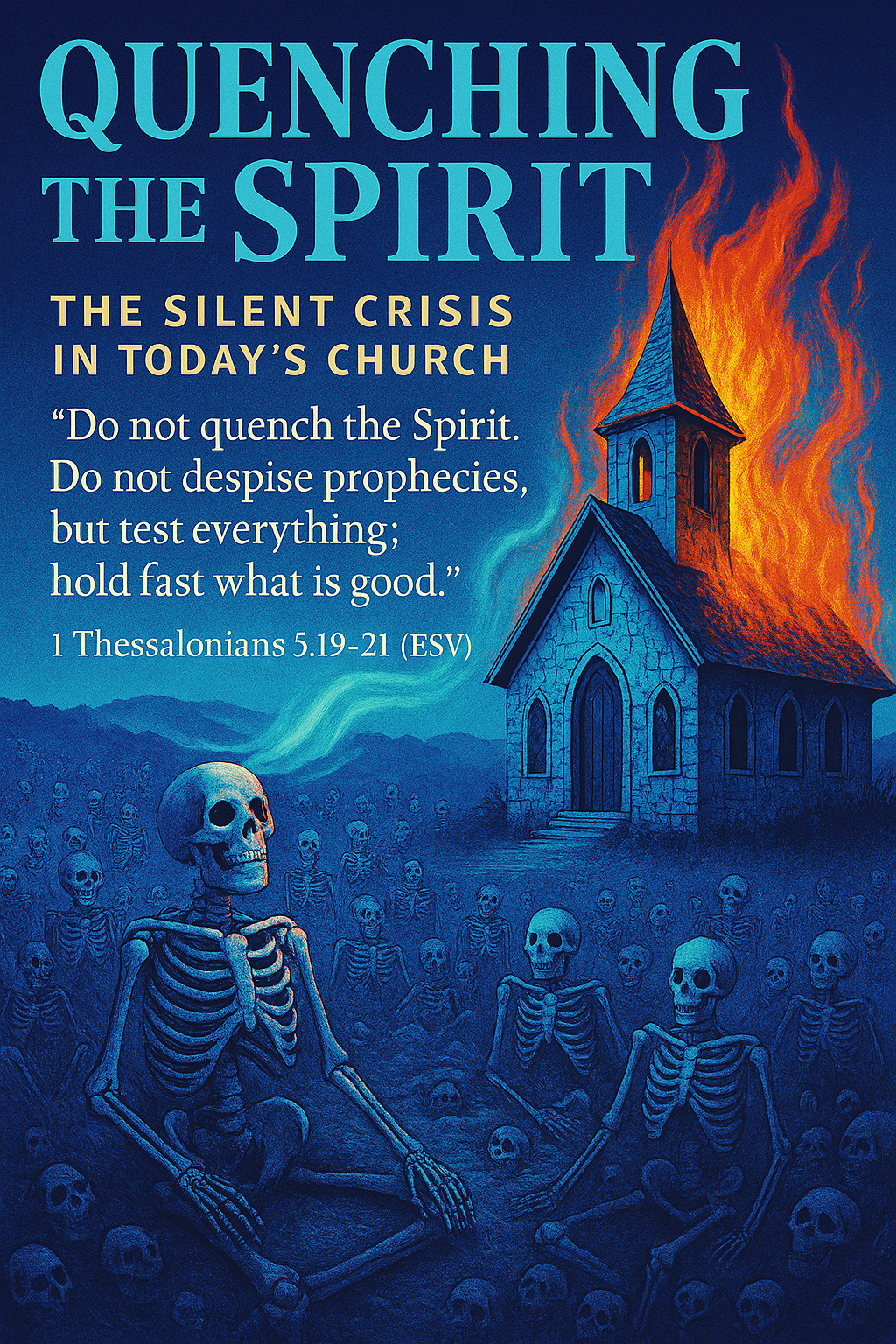
“Do not quench the Spirit. Do not despise prophecies, but test everything; hold fast what is good.”
— 1 Thessalonians 5:19-21 (ESV)
The Apostle Paul’s warning is a cry to the modern church: Do not quench the Spirit! Yet, countless churches have unknowingly become fire suppressants, designing services that leave no room for the movement of God. The Spirit is choked, the prophetic voice silenced, the wind of revival stilled. What remains is an empty structure—a skeletal framework of religion that remembers the past but does not live it (2 Timothy 3:5).
But the crisis we face today is not new—it has been woven through biblical history. If we would just listen, if we would look, Scripture already shows us the cost of silencing the breath of God.
The Valley of Dry Bones: The Calling and the Resistance
“The hand of the Lord was on me, and he brought me out by the Spirit of the Lord and set me in the middle of a valley; it was full of bones.”
— Ezekiel 37:1
Revival always begins with the hand of God upon someone—a chosen vessel, set apart for a divine task. Ezekiel was not placed in the valley by accident; God positioned him intentionally in the midst of death, decay, and desolation. He was sent not just to observe, but to speak, to call forth breath, and to declare life where death reigned.
Yet in the physical vision, the bones were completely lifeless, all flesh had been removed—they had no resistance, no voice, no ability to reject the call of God. When Ezekiel prophesied, they responded immediately; they could not fight back because they were truly dead (Ezekiel 37:7-10).
But in spiritual reality, the modern church is not fully dead—it still has some life on its bones, it still walks in the flesh enough to resist the call of God. Instead of surrendering to revival, instead of rising to the prophetic word, many churches fight against the placement of God’s chosen, resist the voices He has sent, and silence the Word instead of receiving it.
The spirit may be willing but the flesh is weak. (Matthew 26:41)
The Thessalonians were warned against this very act:
“Do not quench the Spirit. Do not despise prophecies, but test everything; hold fast what is good.”
— 1 Thessalonians 5:19-21
Paul foresaw what would happen if the church turned against its own awakening. A church that rejects prophecy, silences the Spirit, and fights against divine placement is suffocating itself. It is not fully dead—but it is dying.
This is precisely what Jesus rebuked in the Pharisees:
“Woe to you, teachers of the law and Pharisees, you hypocrites! You are like whitewashed tombs, which look beautiful on the outside but on the inside are full of the bones of the dead and everything unclean.”
— Matthew 23:27
Their outward form appeared righteous, yet inside they were lifeless—spiritually dead, spreading corruption instead of revival. And worse, they didn’t just remain in their own deception—they multiplied death, leading others deeper into spiritual ruin:
“Woe to you, scribes and Pharisees, hypocrites! For you travel land and sea to win one convert, and when he becomes one, you make him twice as much a child of hell as yourselves.”
— Matthew 23:15
These spiritless leaders were not reviving people—they were burying them. They were not calling forth breath—they were silencing it. The Pharisees were not just dead bones themselves—they were creating a modern valley of dry bones, filled with disciples of death instead of disciples of Christ.
Elijah and the Fire Suppressants: When the Altar Became Empty
“How long will you waver between two opinions? If the Lord is God, follow him; but if Baal is God, follow him.”
— 1 Kings 18:21
Elijah stood atop Mount Carmel, confronting not just the false prophets, but the people who had accepted the deception. Israel had grown spiritually dull, hosting empty worship services that had no impact, no presence, no awareness of God’s absence. They clapped, they sang, they danced, but they did not realize they were spiritually dead.
The prophets of Baal cried out, danced, and slashed themselves, believing that volume and movement would summon fire. But there was none (1 Kings 18:26-29). Their worship was loud but powerless, dramatic but empty, passionate but void of the Spirit.
The prophets of Baal were not chosen, not sent, not anointed. They set themselves up as spokesmen for God without His presence. And what did they produce? Emptiness. Delusion. False manifestations.
This is the modern deception—the belief that noise equals anointing, that repetition equals revival, that emotion equals encounter, that you can conjure up the Spirit by performance in the flesh.
Elijah did not shout, did not dance, did not perform. He simply arranged things decently and in order (1 Corinthians 14:40), then he stepped back and let God move. He knew he was not the one responsible for bringing about a move of God, all he had to do was make the preparatioins.
He rebuilt the altar, stacked the stones, laid the wood, and drenched the sacrifice in water—making it impossible for human effort to ignite the fire.
Elijah prayed:
“Answer me, Lord, so that these people will know that You are God.”
— 1 Kings 18:37
And the fire of the Lord fell.
Because it wasn’t performance—it was purity.
Not charisma—consecration.
The lesson is clear: Revival does not come through human effort, emotionalism, or performance, it comes through surrender, obedience, and divine intervention. For the Word teaches us that flesh and blood cannot inherit the Kingdom of God. (1 Corinthians 15:50)
But one final warning must not be ignored—when God’s fire falls, it does not just bring revival, it brings judgment. Those who stand in deception, who embrace false worship, who reject the Spirit’s movement will not be refined, they will be consumed.
“For our God is a consuming fire.”
— Hebrews 12:29
“Examine yourselves to see whether you are in the faith; test yourselves.”
— 2 Corinthians 13:5
When God shows up, will you be revived or destroyed? Will His fire purify you or consume you?
The Call: Will We Let the Bones Remain Dry?
Can these bones live?
Can the altar be rebuilt?
Can the fire fall once more?
YES. But only if we remove the fire suppressants. Only if we refuse to quench the Spirit. Only if we call for the breath of God.
“Prophesy to the breath; prophesy, son of man, and say to it, ‘This is what the Sovereign Lord says: Come, breath, from the four winds and breathe into these slain, that they may live.’”
— Ezekiel 37:9
The church must no longer resist. The wind is waiting. The fire is ready. The bones must rise.
This final warning must not be overlooked—when God’s fire falls, it does not just bring revival, it brings judgment. Those who stand in deception, who embrace false worship, who reject the Spirit’s movement will not be refined—they will be consumed.
This truth is woven throughout Scripture:
- Leviticus 10:1-2 – Nadab and Abihu, sons of Aaron, offered unauthorized fire before the Lord, and fire came out from the presence of the Lord and consumed them.
- 1 Kings 18:38-40 – When God’s fire fell on Elijah’s altar, it proved His supremacy, and the false prophets of Baal were slaughtered.
- 2 Chronicles 7:1 – At the dedication of Solomon’s temple, fire came down from heaven, consuming the sacrifices, and the glory of the Lord filled the temple.
- Hebrews 12:29 – “For our God is a consuming fire.”
This is the final warning, examine your heart. When God shows up, will you be revived or destroyed? Will His fire purify you or consume you?
The modern church must wake up, it cannot host empty worship, it cannot embrace false teaching, it cannot reject the Spirit and expect to stand when the fire falls.
History Repeats: The Church’s Cycles of Suppression and Revival
Whenever the Spirit was quenched, revival was needed to restore God’s presence:
- The Dark Ages (500-1500 AD) – A time marked by institutional control over faith and a lack of spiritual power.
- The Protestant Reformation (16th century) – A return to biblical truth, but often reliant on intellectualism over Spirit-led movement.
- The Great Awakenings (18th-19th centuries) – Revivals birthed through fervent prayer, preaching, and power encounters.
- The Pentecostal and Charismatic Movements (20th century) – A rediscovery of spiritual gifts and the fire of God.
- Modern Protestantism – Many churches today maintain a form of godliness but deny its power (2 Timothy 3:5).
Every time the Spirit was quenched, God raised up a remnant hungry for His presence. That remnant must rise again today.
This has been A View From the Nest: And that is the way I see it! What say you?

You must be logged in to post a comment.