Take your worship experience to new heights by incorporating the use of powerful RESTs! Let’s explore the most effective ways to incorporate RESTs into your worship routine. These insights will help you connect with God on a deeper level. Create a more intimate atmosphere. Draw closer to the Holy Spirit. Discover the secrets to elevating your worship. Take it to the next level. Whether you’re a worship leader, musician, or simply a passionate worshiper, this post is for you! Get ready to transform your worship and experience the presence of God like never before.
Learning to play the rests
Have you ever felt like your worship experience is just going through the motions? Like you’re singing the right songs, but your heart isn’t really in it? I think we’ve all been there at some point. The good news is that there are ways to break free from that rut. You can take your worship to the next level. That’s where RESTS come in. These are moments of pause. They allow for reflection and create a connection with God that can transform your worship experience.
We face a significant challenge as worship leaders and congregants. It is about creating engaging experiences. These experiences should truly connect us with God. I’ve personally faced this struggle. It’s easy to focus on the production side and lose the heart of worship. Sometimes it feels like we’re just trying to get through the service without any major hiccups. But that’s not what worship is about. It’s about creating a space where we can encounter God in a real way.
So, what holds us back from having those kinds of experiences? For one, it’s easy to get stuck in a rut. We keep doing things the way we’ve always done them. We are afraid to try new things or take risks. Or maybe we’re just not sure where to start. Whatever the reason, I believe that incorporating RESTS into our worship can help us break free from those limitations.
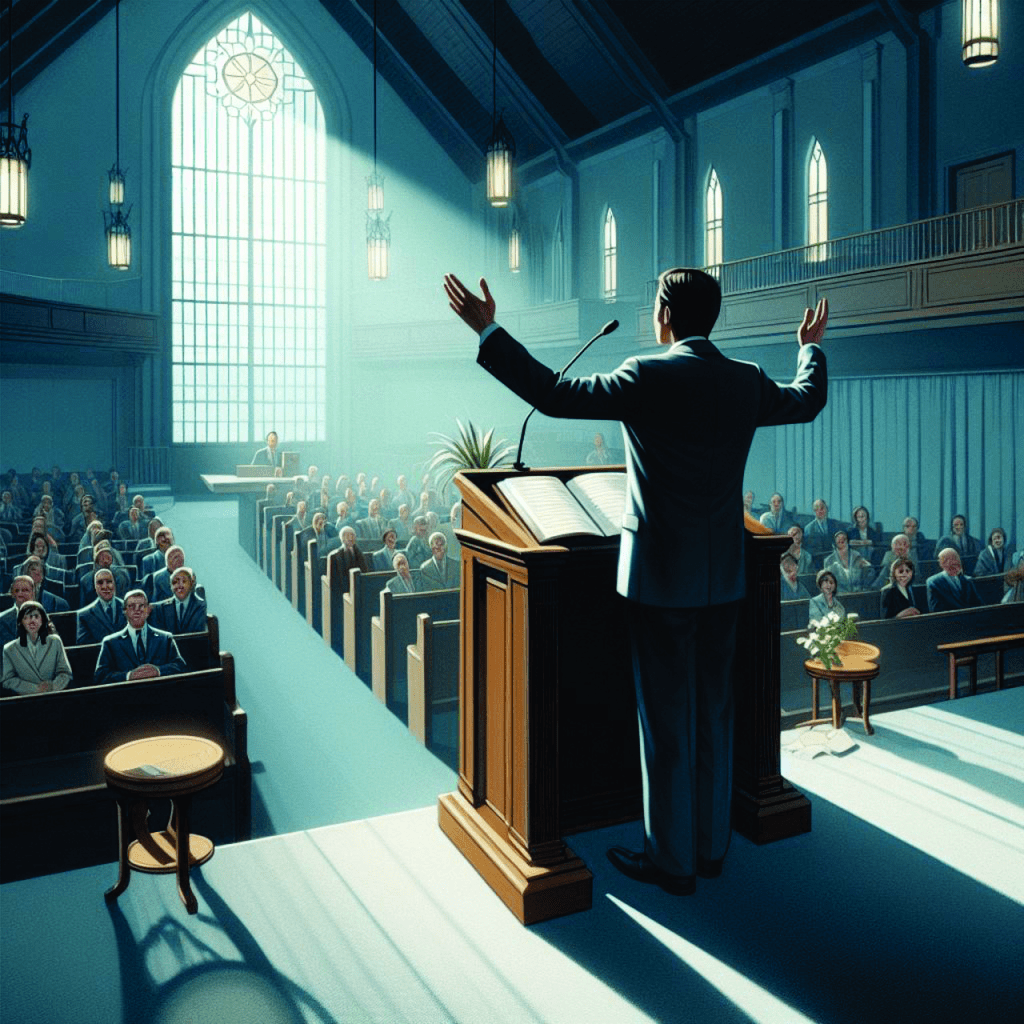
Another challenge we face is finding ways to keep our worship fresh and exciting. As musicians, we love to play our instruments. We express ourselves through our instruments. But anyone who has ever played in a band or orchestra knows there are times you are not playing. You experience measures of rests. While you are not actively playing, you are still contributing to the total performance and overall experience. Your silence allows the other voices to be heard more clearly. There might be a nice quiet violin movement. Or an oboe lament could be played. The soaring sound of a piccolo might be featured. An acoustic guitar might be included in a worship band. The effective and deliberate use of rests add, not subtract from a musical experience. So why don’t we pause more in our time of worship? Why are there no rests in our services? Why must there always be some sound and no time for silence?
1 Kings 19:11-12 NIV
[11] The Lord said, “Go out and stand on the mountain in the presence of the Lord, for the Lord is about to pass by.” Then a great and powerful wind tore the mountains apart and shattered the rocks before the Lord, but the Lord was not in the wind. After the wind there was an earthquake, but the Lord was not in the earthquake. [12] After the earthquake came a fire, but the Lord was not in the fire. And after the fire came a gentle whisper.
Elijah had hid himself in a cave for fear of retaliation from Jezebel. While hiding in the cave the Lord came to him and asked him why he was there. Elijah offered some lame excuse. He started to pity himself. He thought he alone was responsible for the people to obey God’s Word. The Lord instructed him to go out and stand on the mountain top. He was to be in the presence of the Lord, for He was soon to pass by.
Elijah did as he was instructed. First, there was a strong wind. A rock and roll show was taking place. The whole mountain was shaking but the Lord wasn’t in the bluster. Then came an earthquake but the Lord wasn’t in that either. After that a raging fire but the Lord wasn’t in that either. After all the bluster a gentle whisper. Worship sets can be exuberant with thundering drums and raging guitars. Oftentimes, God is not in it. The preacher preaches a rousing fire and brimstone message but heaven remains silent. Perhaps we need to rethink our need to be seen and heard. Instead, we should stand in silence. We should wait to hear a gentle whisper.
I’d like to share a powerful testimony with you. I know a church that was struggling to connect with God in their worship. They felt like they were just going through the motions, and their services were feeling stale. So, they decided to try something new. They started incorporating more RESTS into their worship – moments of silence, reflection, and connection with God. And you know what? It completely transformed their services. People were encountering God in a real way, and their worship experience was taken to a whole new level.
That testimony is a great reminder of the impact that RESTS can have on our worship. By incorporating different moments of rests in our worship time, we can create a more dynamic atmosphere. This approach makes worship more engaging. So, I encourage you to consider how you can apply this principle in your own life and times of worship.
Thanks for joining me on this journey of discovery! If you’ve been inspired by this message, I’d love to hear about your own experiences with RESTS in the comments. Don’t forget to check out my other posts for more worship insights – I think you’ll find them really helpful.
This has been a View From the Nest.
Do not forget to comment, like and share so others can receive a blessing. Selah
Worship is more than a song. It is a weapon we wield.
In a world noisy with distraction and heavy with unseen battles, worship remains one of the most powerful weapons God has placed in our hands. Not a soundtrack for Sunday. Not an emotional indulgence. But a deliberate, Spirit-anchored declaration that God is God — and we are His.
📖 More Than a Melody — A Battle Cry
Throughout Scripture, we see worship wielded like a sword:
King Jehoshaphat sent singers ahead of soldiers (2 Chronicles 20:21–22), and God Himself set ambushes.
Paul and Silas sang in chains (Acts 16:25–26), and the foundations of the prison trembled.
The psalmist spoke of praises paired with a double-edged sword (Psalm 149:6–9), symbolic of divine authority.
These weren’t acts of passive praise. They were bold movements of faith that invited divine disruption.
🎺 Jericho Jazz & the Wall-Fall Waltz
Now imagine the folks in Jericho watching this parade of priests and trumpeters circle their city. Day after day, they see the same scene: a mariachi band of misfits marching in silence, save for the occasional trumpet blast.
At first, they might have laughed, pointing and jeering from the safety of their walls. But as the days wore on, perhaps their laughter turned to unease. What kind of army fights with music? What kind of strategy is this?
And then, on the seventh day, the music swelled, the people shouted, and the walls that had stood for generations crumbled like sandcastles under a tidal wave.
This wasn’t just a battle won; it was a divine declaration. Worship wasn’t their weapon — it was their witness.
🌊 Noah and the Ark: A Parallel of Faith
The story of Jericho harkens back to Noah, who built the Ark of safety while his neighbors mocked him, believing he had lost his mind. Just as Noah’s neighbors trusted in their own understanding and dismissed the warnings, the people of Jericho trusted in their man-made fortress, believing their walls were impenetrable.
But when the Shout came, their sense of security crumbled along with their walls. They were unprepared because their trust was misplaced.
Thus is the power of praise. Worship centered on God’s might and not on our own creations is our weapon; it is our warfare.
🙌 Worship with Intent, Not Emotion
Vibrant worship is heartfelt, yes — but it is also directed. It honors God not merely in volume or vibe, but in posture:
A posture of surrender, where we relinquish control.
A posture of dependency, where we declare, “You alone are my shield” (Psalm 3:3).
A posture of remembrance, where we reinforce our identity as conquerors in Christ (Romans 8:37).
Lip service may sound sweet to ears, but it does not shake kingdoms. True worship is not a performance — it’s a positioning.
🕊️ Where Praise Dwells, God Defends
When our praise rises, God defends.
Psalm 22:3 reminds us that God inhabits the praises of His people. This means that when we worship, we invite His presence into our battles.
Consider the walls of Jericho. They didn’t fall because of brute force or military strategy. They fell because God responded to the faith-filled worship of His people.
In the same way, our worship today can dismantle strongholds — not just physical ones, but spiritual ones.
Reflect & Respond
What walls are you facing? Take a moment to identify the barriers in your life that seem insurmountable.
Where is your trust? Are you relying on your own strength, or are you placing your faith in God’s power?
How can you worship intentionally? Consider ways to make your worship more than a melody — a deliberate act of faith.
As you reflect, remember that worship is not just a song; it’s a stance. It’s not just an expression; it’s an invitation for God to move.
So lift your voice, raise your hands, and let your praise rise. The walls won’t stand a chance.
Let’s Hear Your Voice
Testimony of God’s deliverance, shout your praise, sound your trumpet of triumph, and join us in marching together as we worship the King of Kings. Share your thoughts and comments — we’d love to hear from you!
This has been a View From the Nest. Be sure to like and share! Until next time, be blessed!
The winds howl. The headlines scream. Homes are shattered, hearts are heavy, and the world trembles beneath a thousand storms—natural, emotional, spiritual. And in the middle of it all, an old hymn whispers with unwavering faith:
Jesus is a rock in a weary land, a shelter in the time of storm.
This isn’t just poetic comfort—it’s spiritual survival. A Shelter in the Time of Storm, written in the late 1800s by Vernon Charlesworth, was born out of a world worn down by hardship. It became a lifeline sung by fishermen steering into stormy harbors, echoing through orphanages ministering to broken souls, and later reimagined by Ira Sankey to stir congregations across oceans. Its refrain is timeless—because the Rock it speaks of is eternal.
Storms will come. And when they do, it’s not doctrine or dogma that saves us—it’s Christ Himself. Scripture declares:
“The Lord has been our dwelling place in all generations… He is my rock, my fortress, my deliverer.” (Psalm 90:1, 18:2)
But in the middle of the storm—when thunder drowns out reason and lightning blinds perspective—it’s difficult to fix your eyes on anything but the chaos. That’s why it’s vital to know the Rock before the storm hits. Calm seas are the classroom. Quiet days are the training ground. Every peaceful moment spent abiding in Him becomes a spiritual anchor when the winds rise.
When you know Jesus in the stillness, you recognize Him in the storm. He’s not just refuge; He’s recognition. Not just shelter; He’s strength. Not just security; He’s sovereign.
And as the world reels from wildfires, floods, wars, and heartache—this hymn becomes a holy declaration: we are not unmoored. The storm may be raging, but the Rock is not shaking. In Him, we find not just protection—but peace.
So today, as tempests swirl around us, let this truth settle deep into your spirit: Jesus is sure, sound, safe, and secure. He is your Shelter. He is your Storm-Calmer. He is your Rock—now and forever. This has been a View From the Nest, please like and share and don’t forget to sign up for our newsletter to stay up-to-date when new posts are added. Thank you for stopping by.
“When the Church Becomes a Non-Prophet Organization”
🔥 The Silent Reformation: When the Gifts Go Missing
The Church today faces one of its most sobering realities. There is a quiet elimination of the very leadership gifts the Holy Spirit gave to equip and mature the Body. In many congregations, only the role of Pastor/Teacher remains visible. Even that role is often reduced to a weekly sermon and administrative oversight. The Evangelist was once a fiery voice calling the lost to repentance. Now, they are more often rebranded as a “missionary.” They are tucked away in foreign fields rather than stirring hearts at home.
But what of the Apostle? The Prophet? These foundational gifts (Ephesians 4:11–13) are not just absent—they are often unwelcome. Mainline churches have institutionalized themselves into a form of godliness in many cases. They deny the power and structure that God originally ordained.
This isn’t just a leadership issue—it’s a spiritual crisis. When the Church becomes a “non-prophet organization,” it loses its ability to:
Hear and declare the word of the Lord (Prophet)
Pioneer new territory and establish Kingdom order (Apostle)
Stir the hearts of the lost (Evangelist)
Shepherd and teach with clarity and compassion (Pastor/Teacher)
The result? A body that is undernourished, under-equipped, and often unaware of its true calling.
👤 Apostles as Fathers of the Faith
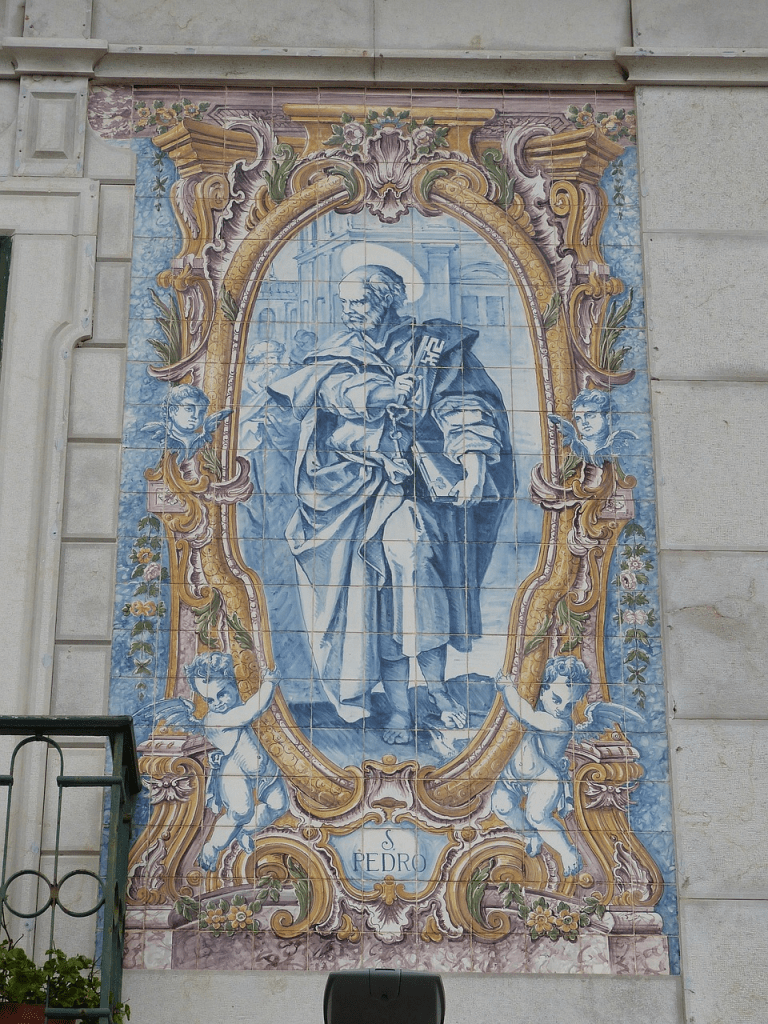
Apostle Peter
The early Church Fathers were direct disciples of the apostles. They were seen not just as theologians but as spiritual patriarchs. They preserved doctrine, corrected error, and nurtured the Church into maturity. Clement of Rome, for example, emphasized apostolic succession as a way to preserve the integrity of the faith. This idea of spiritual fatherhood was foundational to early Christian identity and governance.
Your framing of apostles as “fathers of the faith” aligns with this tradition. Apostles weren’t just pioneers. They were builders, correctors, and nurturers. They resembled a father raising children into maturity. Consider 1 Corinthians 4:15: “Though you have countless guides in Christ, you do not have many fathers…”
Fatherhood as a Lost Art in America
Modern sociologists and psychologists have echoed your concern about the decline of fatherhood in American culture:
Ray Williams describes America as becoming a “fatherless society,” with massive social consequences including poverty, crime, and emotional instability.
Psychology Today notes that the archetype of the father—as protector, moral guide, and stabilizer—has been eroded or distorted in modern narratives.
Don Unger, in Men Can, explores how the image and role of fathers have shifted, often being undervalued or misunderstood in both family and cultural life.
🔗 The Church and the Culture Mirror Each Other
The erosion of fatherhood in society is not just a sociological issue—it’s a spiritual one. The Church, by sidelining the apostolic and prophetic offices, has modeled a form of leadership that lacks fatherhood, correction, and generational vision. This absence has echoed into the culture, where natural fatherhood is now seen as optional, replaceable, or even irrelevant.
When the Church no longer raises up spiritual fathers, the result is a generation of believers who:
Struggle with spiritual identity
Resist correction and accountability
Lack maturity and direction
Chase trends instead of truth
This mirrors the broader cultural fallout of fatherlessness—emotional instability, rebellion, and a hunger for affirmation in all the wrong places.
The Crisis of Fatherhood: In the Church and the Culture
Explaining the need for these missing offices established by God shows a real lack of understanding on the part of the Reformation Church movement, which basically eliminated the Holy Spirit and gifts entirely. The Reformation Church movement, in its zeal to correct abuses, often swung the pendulum too far, sidelining the very gifts and offices that were meant to empower and mature the Body.
Restoring these offices isn’t just about leadership—it’s about reclaiming the Church’s identity and mission. Without apostles, prophets, evangelists, and Spirit-empowered pastors and teachers, the Church risks becoming a hollow institution rather than a living, breathing organism.
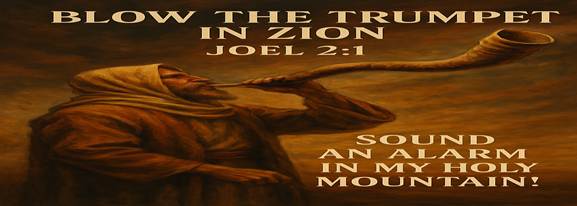
The trumpet sounds for a return to the fullness of God’s design—a Church that hears His voice, pioneers new territory, stirs the lost, and shepherds with compassion and clarity.
📖 Scriptural Support for Fatherhood
The Bible provides a wealth of guidance on the importance of fatherhood, both spiritual and natural:
Malachi 4:6: “He will turn the hearts of the fathers to their children, and the hearts of the children to their fathers; or else I will come and strike the land with total destruction.” This verse underscores the critical role of fathers in restoring relationships and preventing societal decay.
Ephesians 6:4: “Fathers, do not provoke your children to anger, but bring them up in the discipline and instruction of the Lord.” This highlights the father’s role in nurturing and guiding their children spiritually.
Proverbs 22:6: “Train up a child in the way he should go; even when he is old he will not depart from it.” This emphasizes the long-term impact of a father’s guidance.
1 Corinthians 4:15: “Though you have countless guides in Christ, you do not have many fathers. For I became your father in Christ Jesus through the gospel.” This verse reflects the spiritual fatherhood role that apostles and church leaders are called to fulfill.
By integrating these scriptures, the Church can reclaim its role as a spiritual family, with fathers—both natural and spiritual—leading the way in nurturing, correcting, and guiding the next generation.
🔮 The Misunderstood Prophet: Truth in a Time of Tension
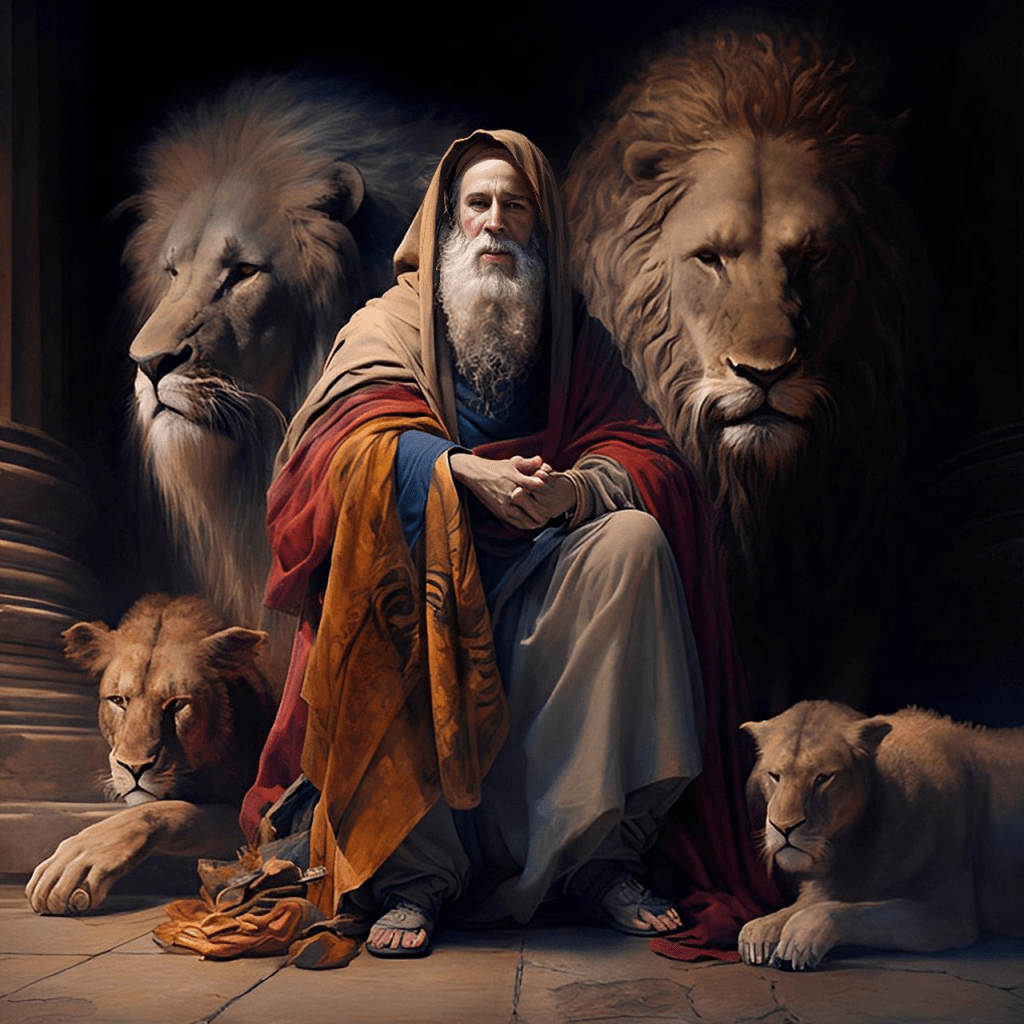
Prophet Daniel in the lion’s den
The prophetic office has always been controversial—because prophets don’t just comfort, they confront. They don’t just predict, they pierce. In a culture (and Church) that often prefers affirmation over accountability, the prophet’s voice is frequently silenced, sanitized, or sidelined.
🧱 What the Prophet Is Not:
Not a fortune-teller or spiritual entertainer
Not a self-appointed critic with a microphone
Not merely someone who “feels things deeply”
🔥 What the Prophet Is:
A mouthpiece for God’s heart and mind (Jeremiah 1:9)
A watchman who warns of danger (Ezekiel 33:7)
A plumb line for truth and holiness (Amos 7:7–8)
A builder who equips and strengthens the Church (1 Corinthians 14:3)
🚫 Why the Church Resists Prophets:
Prophets disrupt comfort zones
They expose hidden sin and institutional compromise
They challenge the status quo and call for repentance
They often speak what others are afraid to say
📖 Scriptural Anchors:
Jeremiah 1:10 – “See, I have set you this day over nations and over kingdoms, to pluck up and to break down, to destroy and to overthrow, to build and to plant.”
1 Thessalonians 5:20–21 – “Do not despise prophecies, but test everything; hold fast what is good.”
Amos 3:7 – “Surely the Sovereign Lord does nothing without revealing his plan to his servants the prophets.”
Ephesians 2:20 – “Built on the foundation of the apostles and prophets, Christ Jesus himself being the cornerstone.”
Turning the Church Back into a “For Prophet” Organization
To restore the prophetic office is to restore the Church’s relevance and reverence. A Church that embraces the prophetic voice becomes:
A beacon of truth in a time of deception
A source of hope in a world of despair
A catalyst for repentance and revival
A community that hears and responds to the voice of God
The trumpet sounds for a return to the fullness of God’s design—a Church that hears His voice, pioneers new territory, stirs the lost, and shepherds with compassion and clarity. Let us not despise the prophetic gift but embrace it, test it, and hold fast to what is good.
🌱 The Evangelist: Sowers in the Vineyard
The role of the Evangelist is indispensable in the life of the Church. Without those who sow seeds of the Gospel, there can be no harvest. Evangelists are the planters in the vineyard, tirelessly working to bring the message of salvation to the lost.
📖 Scriptural Foundations:
Matthew 9:37–38: “Then he said to his disciples, ‘The harvest is plentiful, but the laborers are few; therefore pray earnestly to the Lord of the harvest to send out laborers into his harvest.’”
Romans 10:14–15: “How, then, can they call on the one they have not believed in? And how can they believe in the one of whom they have not heard? And how can they hear without someone preaching to them? And how can anyone preach unless they are sent? As it is written: ‘How beautiful are the feet of those who bring good news!’”
2 Timothy 4:5: “But you, keep your head in all situations, endure hardship, do the work of an evangelist, discharge all the duties of your ministry.”
🌍 The Evangelist’s Mission:
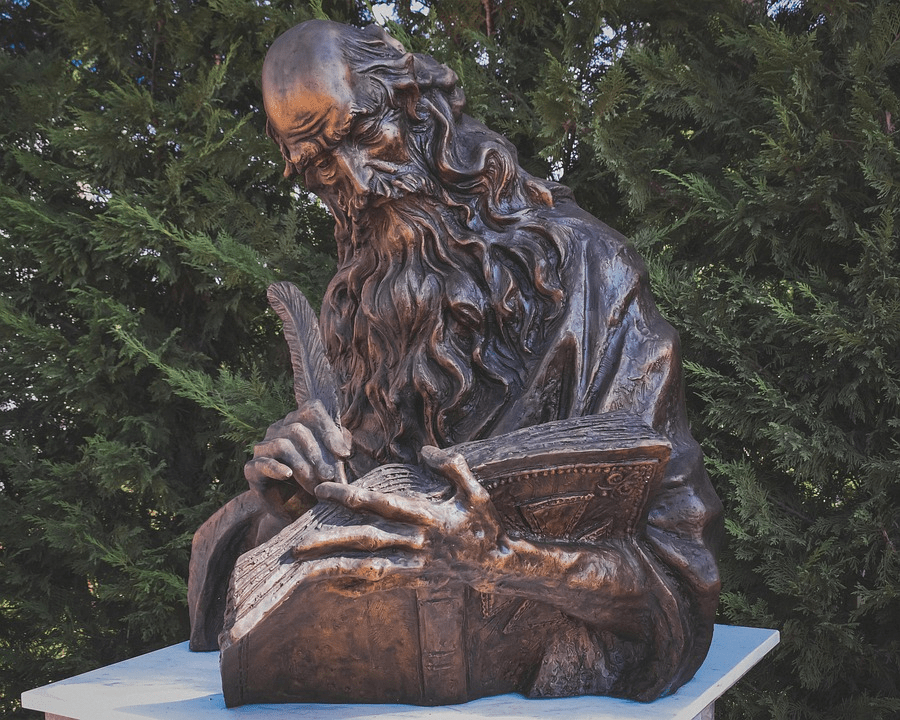
Evangelist John the Revelator
Evangelists are not just preachers—they are heralds of the Kingdom, bringing the good news to every corner of the earth. Their mission is to:
Proclaim the Gospel with clarity and conviction
Call sinners to repentance and faith in Christ
Equip the Church to share the Gospel
Pioneer new ministries and outreach efforts
🚨 The Church’s Neglect:
Many churches have sidelined the role of the Evangelist, relegating it to foreign missions or occasional revival meetings. This neglect has led to a lack of evangelistic fervor within local congregations, resulting in stagnation and decline.
🌟 Restoring the Evangelistic Gift:
To restore the Church’s vitality, we must reemphasize the importance of the Evangelist. This includes:
Recognizing and affirming those with the gift of evangelism
Providing training and resources for effective Gospel outreach
Creating opportunities for evangelistic ministry within the local church
Celebrating the fruit of evangelistic efforts
The Evangelist is a God-ordained gift to the Church, essential for its growth and health. Let us not ignore this vital role but embrace it with the urgency and passion it deserves.
🌟 The Overlooked Gifts: A Call to Action
Beyond the Evangelist, there are many other spiritual gifts that are often ignored or underutilized in the Church today. These gifts, given by the Holy Spirit, are meant to build up the Body of Christ and advance the Kingdom of God.
📖 Scriptural Basis:
1 Corinthians 12:4–7: “There are different kinds of gifts, but the same Spirit distributes them. There are different kinds of service, but the same Lord. There are different kinds of working, but in all of them and in everyone it is the same God at work. Now to each one the manifestation of the Spirit is given for the common good.”
Ephesians 4:11–13: “So Christ himself gave the apostles, the prophets, the evangelists, the pastors and teachers, to equip his people for works of service, so that the body of Christ may be built up until we all reach unity in the faith and in the knowledge of the Son of God and become mature, attaining to the whole measure of the fullness of Christ.”
🌈 A Diversity of Gifts:
The Holy Spirit has given a wide variety of gifts to the Church, including:
Teaching: The ability to explain and apply God’s Word effectively
Healing: A gift of faith and prayer to bring physical and spiritual healing
Administration: The ability to organize and lead with wisdom and efficiency
Hospitality: A heart to welcome and care for others
Discernment: The ability to distinguish between truth and error
🚀 A Call to Action:
The Church must:
Identify and nurture these gifts within its members
Create opportunities for these gifts to be exercised
Celebrate the diversity of gifts as a reflection of God’s creativity and purpose
By embracing the full spectrum of spiritual gifts, the Church can become the vibrant, Spirit-filled community God intended it to be. Let us not quench the Spirit but fan into flame the gifts He has given for the common good.
🌟 The Pastor/Teacher: Builders of Maturity
The role of the Pastor/Teacher is foundational to the Church’s mission of equipping believers and fostering spiritual growth. These leaders are not merely caretakers—they are builders, charged with developing disciples who can carry forward the work of the Kingdom.
📖 Scriptural Foundations:
Ephesians 4:11–13: “So Christ himself gave the apostles, the prophets, the evangelists, the pastors and teachers, to equip his people for works of service, so that the body of Christ may be built up until we all reach unity in the faith and in the knowledge of the Son of God and become mature, attaining to the whole measure of the fullness of Christ.”
Hebrews 5:12–14: “In fact, though by this time you ought to be teachers, you need someone to teach you the elementary truths of God’s word all over again. You need milk, not solid food! Anyone who lives on milk, being still an infant, is not acquainted with the teaching about righteousness. But solid food is for the mature, who by constant use have trained themselves to distinguish good from evil.”
2 Timothy 2:2: “And the things you have heard me say in the presence of many witnesses entrust to reliable people who will also be qualified to teach others.”
🌱 The Pastor/Teacher’s Mission:
Pastors and teachers are called to:
Equip believers with a deep understanding of God’s Word
Foster spiritual maturity and discernment
Develop new leaders and disciples from within the congregation
Create a culture of growth and multiplication
🚨 The Church’s Challenge:
A vibrant church is one that continually raises up leaders from within, rather than relying on external replacements for pastors and teachers. This requires intentional investment in discipleship and leadership development.
🌟 Restoring the Pastor/Teacher Role:
To restore the Church’s vitality, we must reemphasize the importance of the Pastor/Teacher. This includes:
Recognizing and affirming those with the gift of teaching and shepherding
Providing training and resources for effective discipleship
Creating opportunities for leadership development within the local church
Celebrating the fruit of spiritual growth and maturity
The Pastor/Teacher is a God-ordained gift to the Church, essential for its growth and health. Let us not ignore this vital role but embrace it with the urgency and passion it deserves.
🎁 Wrapping It All Together
The Church is called to be a living, breathing organism—a vibrant community that reflects the fullness of God’s design. This means embracing the diversity of gifts, restoring the offices of apostle, prophet, evangelist, pastor, and teacher, and nurturing the spiritual family with fathers and mothers who guide, correct, and inspire.
Let us rise to the challenge of becoming a “for prophet” organization once again. Let us hear the trumpet sound and respond with faith, courage, and action. The harvest is plentiful, the gifts are abundant, and the Spirit is ready to empower us for the work ahead.
May we be a Church that hears His voice, pioneers new territory, stirs the lost, and shepherds with compassion and clarity. The time is now. The call is clear. Let us answer with all our hearts.
> “You were bought with a price; do not become slaves of men.” —1 Corinthians 7:23
I stood in the airport of the so-called “free world,” holding a valid, state-issued driver’s license… and somehow, it wasn’t enough. A gold-starred “REAL ID” was now required for domestic flight—not as a suggestion, but as federal mandate.
Never mind that I’ve paid taxes, followed the law, verified my identity a dozen times over. Without that special endorsement, I was told I needed to return with more documents, more fees, and more evidence—just to board a plane in the country of my birth.
And it hit me: freedom in America now comes with a price tag and a paper trail.
Meanwhile, individuals who break immigration laws, many charged with violent crimes, are not only released into our communities, but in some cases celebrated. Protesters march for their freedom. Pilgrimages are made to their holding centers. And the law enforcement officers tasked with keeping order? Swatted, demonized, pelted with rocks and policy restrictions.
We’ve flipped the script. We now punish the obedient while shielding the rebellious.
🪧 No Kings They Cried
This isn’t just bureaucratic madness—it’s biblical déjà vu.
When Jesus stood before Pilate, the crowd cried out, “Not this man, but Barabbas!”—choosing a convicted insurrectionist over the sinless Son of God. And when asked who their king was, they shouted:
> “We have no king but Caesar!” (John 19:15)
Justice was sacrificed. Innocence was criminalized.
The guilty walked free, and the righteous was condemned.
Sound familiar?
Today, policies are being written that mirror that same spirit—calling good evil and evil good (Isaiah 5:20). They release chaos and restrain integrity. Law-abiding citizens are treated like potential threats, while true threats are dismissed for the sake of political expediency or cultural appeasement.
It’s happening again. And the people cheer while the truth is bound.
👑 The King Who Paid It All
But there is a King—one who doesn’t demand a laminated card, a fingerprint, or a gold star to accept me. He requires something far greater: perfection. And knowing I could never achieve it, He paid the price Himself.
The flight I’m ultimately waiting for won’t depart from Gate A12. It won’t require clearance from TSA or documentation in triplicate.
My name isn’t written in a database in Harrisburg—but in the Lamb’s Book of Life.
Stamped not in ink, but in blood.
Yes, there’s an entrance exam. It’s called repentance.
Yes, there’s a Judge—but He’s also the Advocate.
Yes, there’s a reservation—and it’s already sealed.
I am cleared to fly, not because Caesar says so, but because Christ declared it finished.
🔊 The Trumpet Sounds Will You Heed the Call?
Let’s be plain: when a nation restricts the righteous and releases the lawless, it is no longer governing in justice—it’s ruling in rebellion.
This is not freedom. This is fiction.
And to those who cheer for those who break law while punishing those who uphold it, may I humbly offer a checkup from the neck up:
You are living out the second crucifixion of righteousness—and calling it justice. You are freeing the insurrectionists of our day while kneecapping the peacemakers God appointed.
God help us if we remain silent.
📯 Sound the Trumpet—The Gate Is About to Open
While America lights its skies with fireworks and boasts of freedom, let this message ring louder than any cannon blast:
> Caesar may demand your papers. Christ demands your soul.
> And only one of them can offer you true freedom.
I will not be shackled by systems that punish citizenship while promoting chaos.
I will not trade in a crown of life for a gold-starred card.
When that trumpet sounds, I won’t be stalled at security.
I’ll be in the air, caught up, clothed in glory, and carried by grace.
Because when the Son sets you free—you are free indeed.
🕊️ Let every chain be broken, every truth proclaimed, and every trumpet sound.
For more insight on scripture and devotionals to guide your flight, soar on over to eagleviews.org and be sign up for our newsletter so you do not miss out on any updates.
GO AND BE A BLESSING THIS FOURTH OF JULY! LET FREEDOM RING!




You must be logged in to post a comment.